
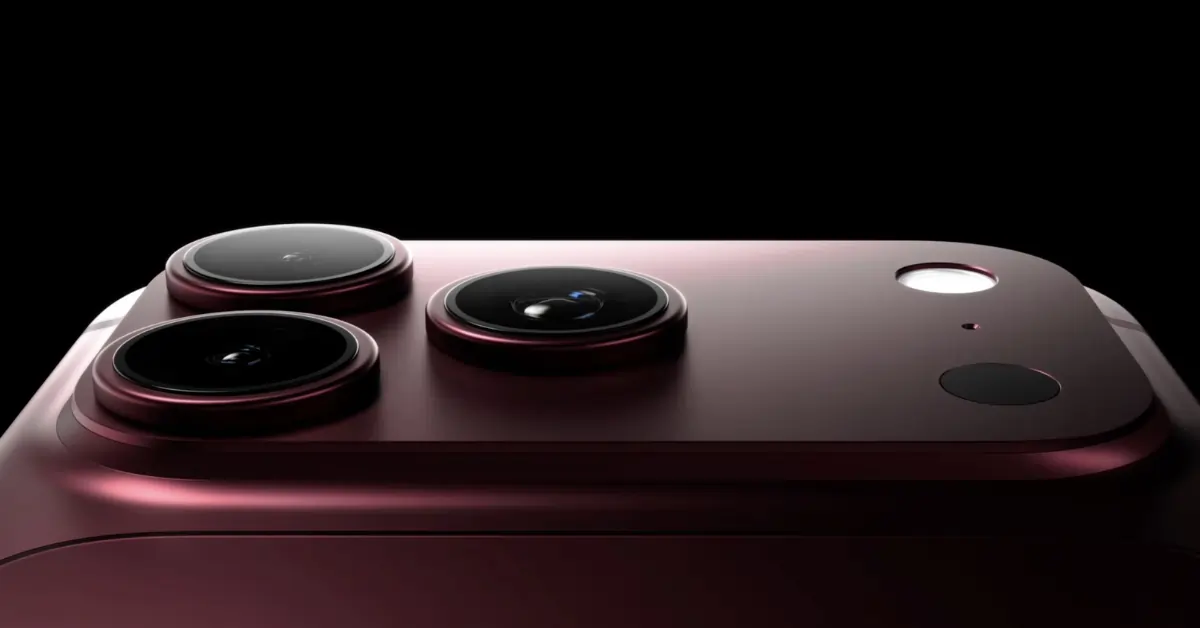
Apple is roughly seven months away from revealing its 2026 flagship lineup. Usually, this far out, details are scarce. But leaks are already painting a clear picture of the iPhone 18 Pro and iPhone 18 Pro Max. The reports suggest significant changes. We are looking at a potential redesign of the front display, a massive shift in camera technology, and a new manufacturing process for the chipset.
For users currently holding an iPhone 17 Pro, these early whispers raise a big question. Is the next generation going to be a simple refresh, or is it a major overhaul? This deep dive analyzes the leaked specs of the upcoming models against the current generation to see if the upgrade will be worth the wait.
The Shift: From Dynamic Island to Under-Display
The most obvious difference between the current generation and the upcoming iPhone 18 Pro appears to be the screen. The iPhone 17 Pro features the well-known pill-shaped cutout and Dynamic Island. It is a functional design that users have accepted. However, leaks suggest Apple is ready to move on.
Reports indicate that the 2026 models might move Face ID components under the display. If true, the large cutout could shrink to a single hole for the front camera. Some test units even show this camera moving to the top-left corner. This would give the phone a look distinct from any recent iPhone. The Dynamic Island will not disappear, but it may become smaller and less intrusive. It will likely sit closer to the camera hole while still offering the live activities and controls users like.
Performance: A19 Pro vs. The New A20 Pro
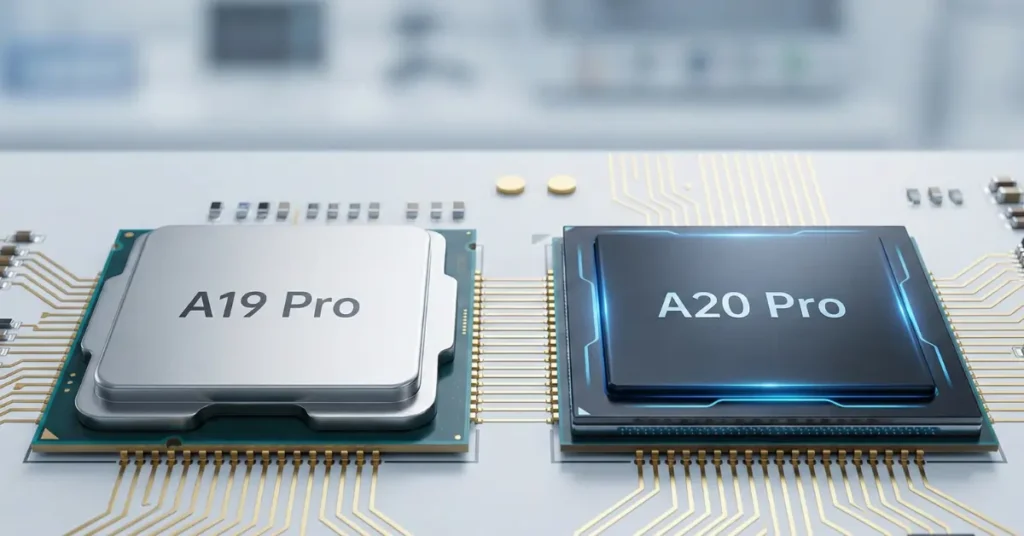
The iPhone 17 Pro runs on the A19 Pro chip, built on a 3nm process. It is a powerhouse with a 6-core CPU and GPU. But the industry moves fast. The iPhone 18 Pro series is expected to introduce the A20 Pro chipset. This chip is reportedly built on TSMC’s upcoming 2nm process.
This is not just a standard speed bump. The new packaging method places the RAM directly on the same wafer as the CPU and GPU. This tighter integration helps data move faster and uses less power. Early estimates claim a 15 percent performance jump and up to 30 percent better power efficiency compared to the A19 Pro. For gamers and power users, this architecture change could mean cooler sustained performance during heavy tasks.
Camera Upgrades: Mechanical Changes
The iPhone 17 Pro solidified the triple 48MP camera system. It takes excellent photos. However, the iPhone 18 Pro and Pro Max are looking to change how the camera physically works. The headline feature in the leaks is a variable aperture system.
Current iPhones use a fixed aperture. A variable aperture allows the lens to mechanically adjust how much light enters the sensor. This provides natural background blur (bokeh) rather than relying on software to fake it. It also improves low-light performance. Leaks suggest this might be exclusive to the bigger iPhone 18 Pro Max, distinguishing it further from the smaller Pro model.
Additionally, Apple is reportedly sourcing a new three-layer stacked image sensor from Samsung. This tech improves readout speeds and dynamic range. While the iPhone 17 Pro has great night mode, this hardware change could reduce noise significantly in dark environments.
Battery and Build: Heavier but Long-Lasting
The iPhone 17 Pro utilizes a heat-forged aluminum frame and offers solid battery life (up to 39 hours of video playback on the Max). The upcoming models might trade weight for power.
To accommodate the new internals and better cooling, the iPhone 18 Pro Max is expected to be thicker. Reports point to a massive 5,100mAh battery. This would push the weight past 240 grams. It is heavier than the current models, but the trade-off is extended usage time. Apple seems confident that users will accept a heavier device if it lasts longer on a single charge.
Connectivity is also getting a boost. The iPhone 18 Pro series is tipped to use Apple’s next-generation C2 modem. This would bring mmWave 5G support back to Apple’s in-house modem lineup, potentially offering faster network speeds than the current 5G setup in the 17 Pro.
What Stays the Same?
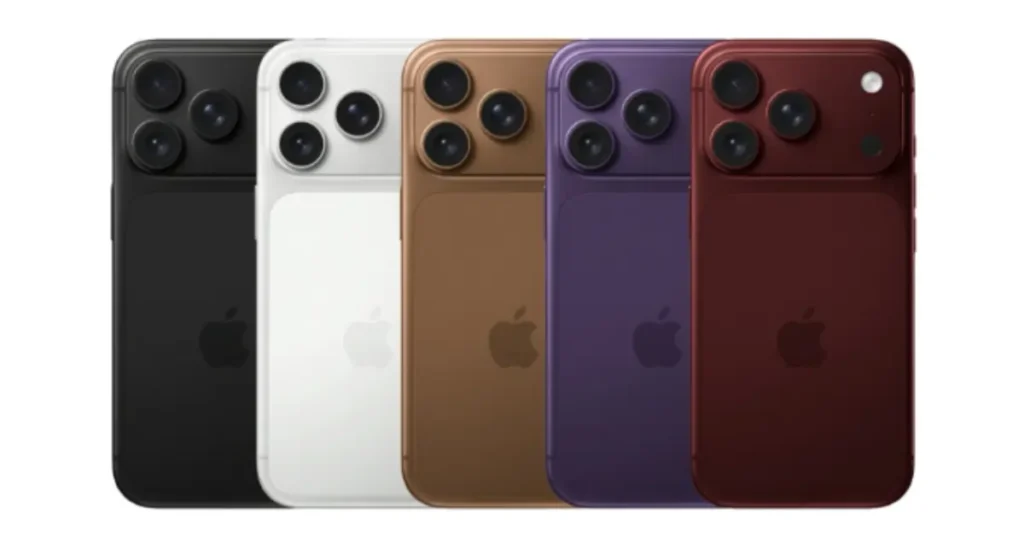
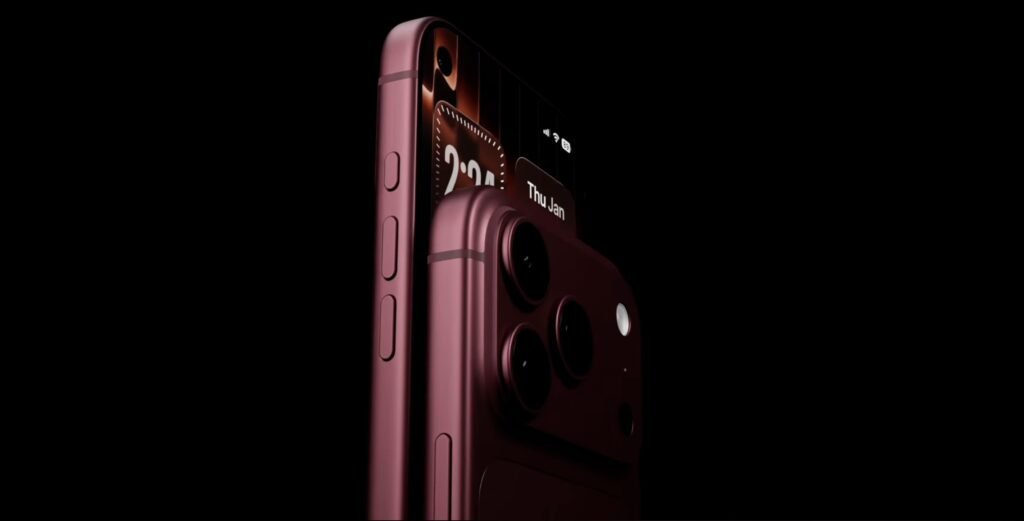
Despite the internal overhauls, the physical footprint remains familiar. The iPhone 18 Pro is expected to keep the 6.3-inch screen, and the Pro Max will stick to the 6.9-inch panel found on the 17 Pro series. The back design will also look familiar. Apple is likely keeping the triple-camera setup on a raised plateau. The changes here are cosmetic, involving new glass finishes and potentially darker colors like deep purple or a coffee-like brown.
Should Current Owners Care?
If you just bought an iPhone 17 Pro, your device is still top-tier. It has a 120Hz display, a powerful 3nm chip, and a versatile camera system. The move to the iPhone 18 Pro will mostly appeal to two types of users: those who hate the current Dynamic Island cutout and those who need the absolute best battery life possible.
The variable aperture on the Pro Max is a photographer’s dream, but for general social media uploads, the 17 Pro is more than capable. The performance jump from 3nm to 2nm is impressive on paper, but in daily app usage, the difference might be hard to spot.
The iPhone 18 Pro and 18 Pro Max are shaping up to be more than just a spec bump. The move to under-display Face ID and 2nm silicon represents a significant technological step forward. While the screen sizes and general shape mirror the iPhone 17 Pro, the internal architecture is completely different.
Pricing remains a mystery, but with new chip tech and mechanical cameras, a price hike is possible. For now, the leaks suggest a powerful, slightly heavier device that prioritizes battery and camera optics over thinness. We will watch closely as more details emerge over the coming months.