
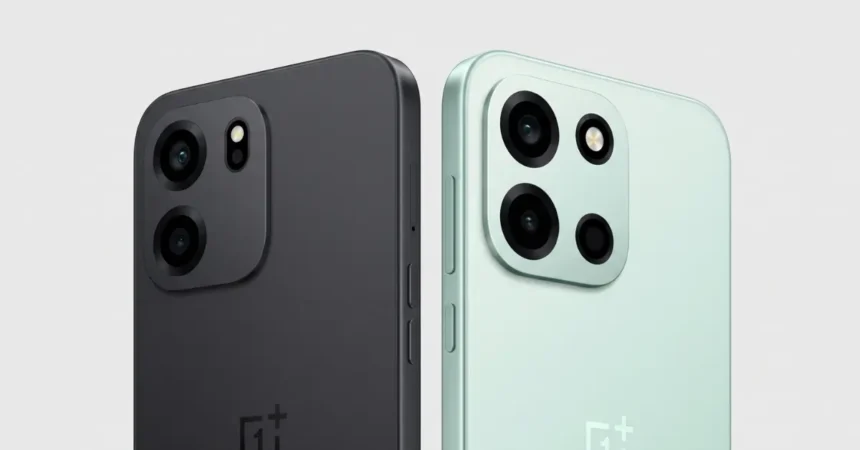

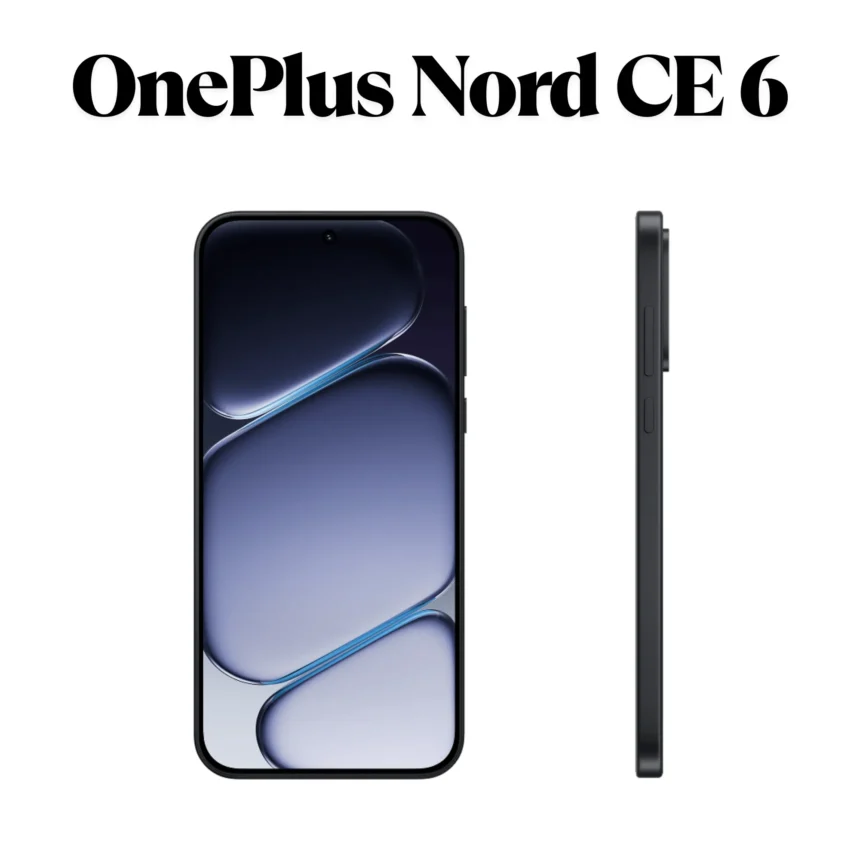
The Nord CE 6 starts at ₹29,999, while the more advanced OnePlus Nord 6 costs ₹38,999 for the same 256GB storage option. This ₹9,000 difference buys you a top-notch processor, double the software support, and a much better camera system. Budget-minded buyers should choose the cheaper model to save money. Mobile gamers and long-term users should consider paying extra for the premium option.
Where Your Money Actually Goes: The Spec Divide
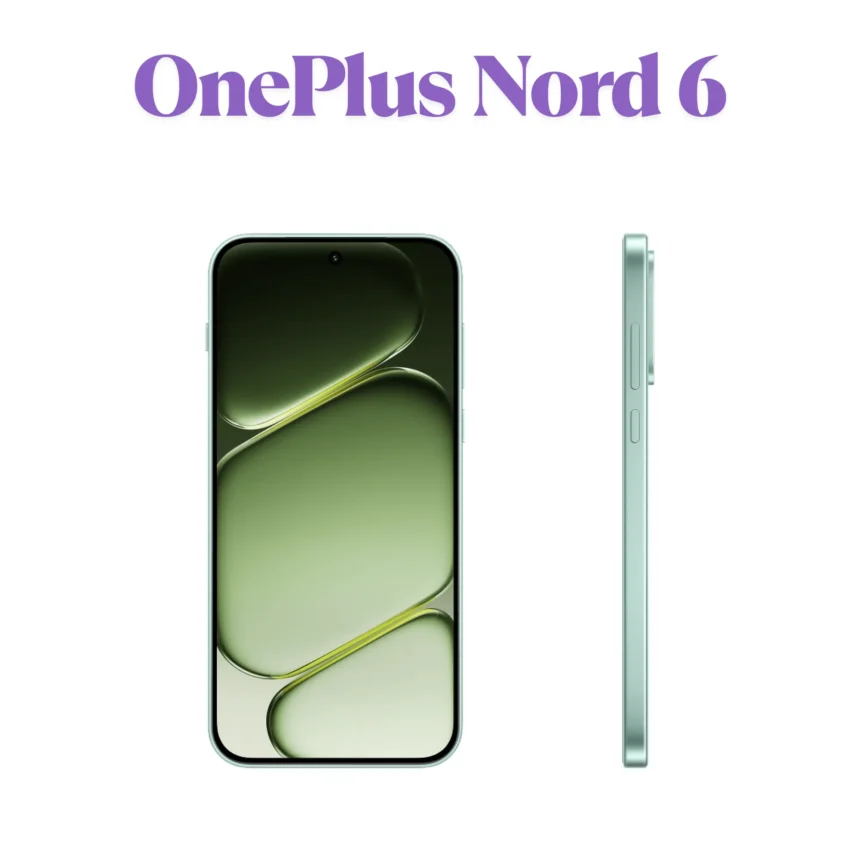
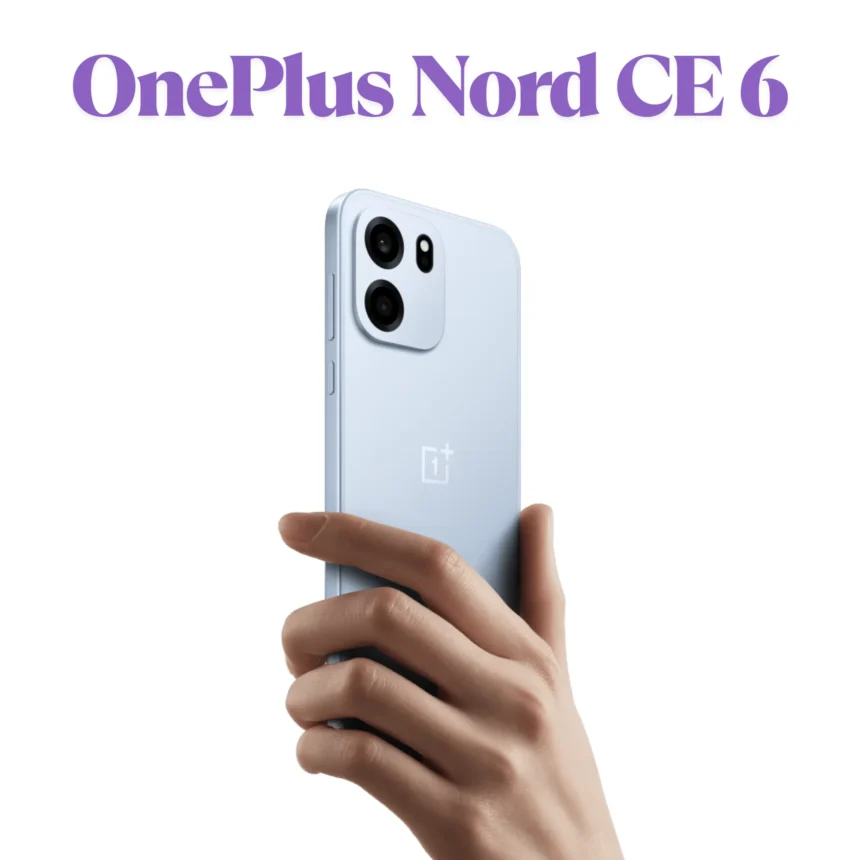
When comparing the OnePlus Nord 6 and Nord CE 6, we need to first look at their shared features. Both phones have a polycarbonate frame and offer strong military-grade MIL-STD-810H durability. They share the same IP69K water resistance ratings, which means both can handle high-pressure water jets. They also have similar 6.78-inch 1.5K AMOLED displays that deliver sharp visuals. The charging setups are the same as well, with 80W wired speeds and 27W reverse charging.
However, the performance metrics of the OnePlus Nord 6 versus the Nord CE 6 show a clear difference. The premium model features a high-end Snapdragon 8s Gen 4 processor and faster UFS 4.0 storage. The cheaper device uses a less powerful Snapdragon 7s Gen 4 chip with older UFS 3.1 storage. This results in faster game loading and stable frame rates on the more expensive model. The premium phone supports 165Hz gaming for competitive shooters, while the budget phone maxes out at 144Hz.
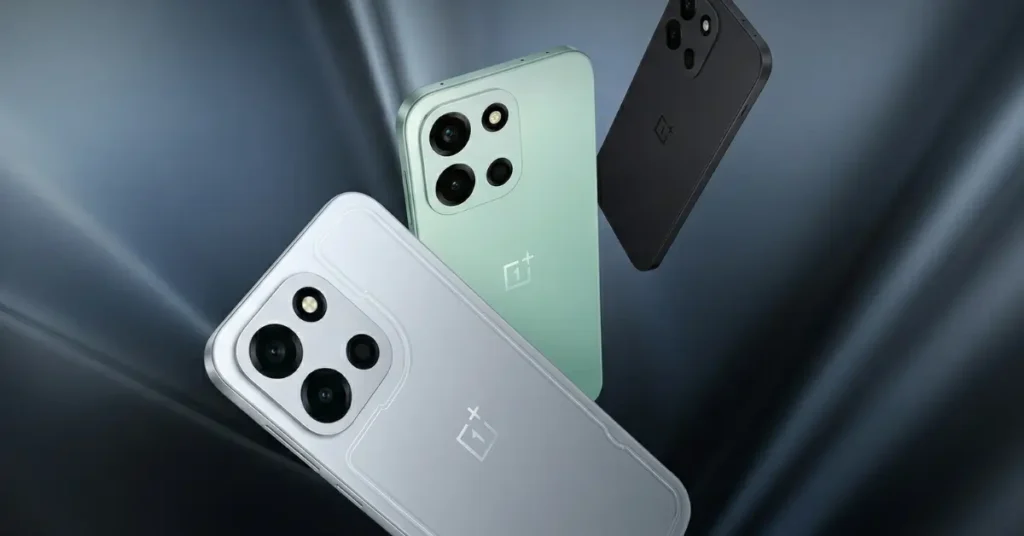
Battery configurations also show a major difference in this Nord 6 versus Nord CE 6 matchup. The budget phone has a large 8,000 mAh battery, which easily outlasts most mid-range devices. However, the premium phone takes it a step further with a remarkable 9,000 mAh silicon-carbon cell. Both phones maintain a thickness of around 8.5mm despite these large batteries. The premium model simply packs more energy into the same physical space.
Camera systems reveal another significant contrast in the Nord 6 versus the OnePlus Nord CE 6 comparison. The premium model uses a 50MP Sony LYTIA-600 main sensor with Optical Image Stabilization (OIS). It also has an 8MP ultra-wide lens and records smooth 4K video at 60fps. The cheaper version cuts back by using an OmniVision OV50D40 sensor without stabilization and replaces the ultra-wide lens with a basic depth sensor, limiting shooting options significantly.
Software support is another key factor in the value discussion between the OnePlus Nord 6 and Nord CE 6. The premium model offers four years of Android OS updates, keeping it relevant until Android 20. The cheaper option halves this support, providing only two major OS updates. This means the budget model may become outdated much sooner.
| Variant | OnePlus Nord CE 6 | OnePlus Nord 6 |
|---|---|---|
| 8GB RAM + 128GB | ₹29,999 | Not Available |
| 8GB RAM + 256GB | ₹32,999 | ₹38,999 |
| 12GB RAM + 256GB | Not Available | ₹41,999 |
Why Buy the OnePlus Nord CE 6?
The budget device is designed for users who want great battery life and high durability without going over ₹30,000. You get the same rugged military-grade shell and sharp 1.5K screen as the premium model, but you’ll need to accept a weaker processor and basic camera setup. The shorter software support period is the biggest compromise in the long run.
Choose this if:
Why Buy the OnePlus Nord 6?
The premium model justifies its higher price with better internal hardware. It is designed for serious mobile gamers who need stable frame rates in demanding games. The combination of a 9,000 mAh battery and four years of OS updates offers great long-term value. This phone acts as a true flagship killer that will remain fast for years.
Choose this if:
The premium model wins the value argument for anyone who plans to keep their phone for over two years. The extra investment completely prevents performance lag, ensures software updates well into the future, and provides a capable camera. Do not buy the cheaper model unless you have a strict budget. The smart choice is the premium option in this OnePlus Nord 6 versus Nord CE 6 comparison.
OnePlus Nord 6 Specs at a Glance
OnePlus Nord CE 6 Specs at a Glance
Note
This comparison guide is based on official specification sheets, hardware architecture data, and comparative chipset benchmarks. While this is not a hands-on review, our analysis uses technical mapping to deliver direct information gain and value calculations before you buy.