

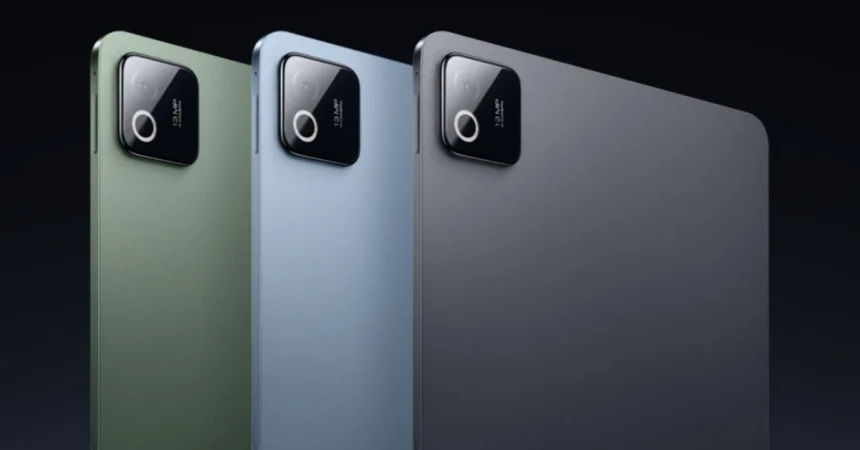
The newly unveiled Xiaomi Pad 9 Pro is powered by Qualcomm’s new octa-core Snapdragon 8 Gen 5 processor, running at an impressive clock speed of 3.8 GHz. Following the major announcement of the Pad 9 Pro Max last week, Xiaomi has launched this flagship tablet alongside the standard Xiaomi Pad 9 in China.
While the larger Pad 9 Pro Max utilizes Xiaomi’s proprietary XRING O3 chipset, neither of these two smaller tablets features that silicon. Instead, the focus here is on reliable Snapdragon chips, vibrant displays, and massive batteries suited for daily tasks.
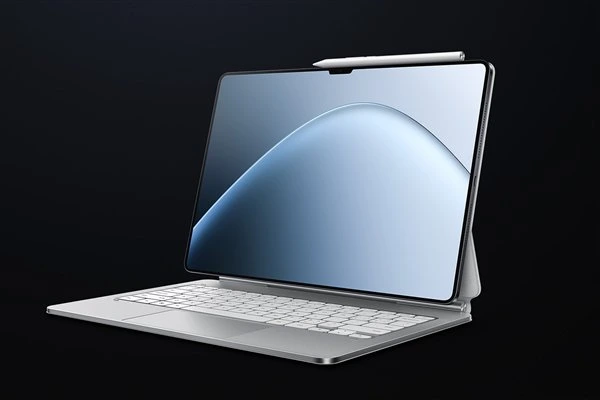
Display Quality and Work Tools Across Both Models
Both tablets feature high-quality displays that make reading and streaming an enjoyable experience. Each tablet boasts a crisp 3.2K LCD screen with a resolution of 3200 x 2136 pixels and a 3:2 aspect ratio.

In addition to a smooth 144Hz refresh rate, they offer 12-bit color depth, full DCI-P3 color coverage, and support for Dolby Vision, HDR10, and HDR Vivid. Furthermore, to protect your eyes during late-night reading sessions, these displays are certified as ‘Circadian Friendly’ and ‘Flicker-Free,’ and feature hardware-level ‘low blue light’ certification.
Another impressive feature of the Xiaomi Pad 9 is its ‘wet-touch’ capability, ensuring the touchscreen remains fully responsive even when your hands are wet or damp. For tasks beyond standard browsing, these tablets also support Xiaomi’s magnetic pen and PC-style floating keyboard.
Xiaomi Pad 9 and Pad 9 Pro Display Specs and Portability
There are hardware differences between the two models regarding display size and peak brightness. The larger ‘Xiaomi Pad 9 Pro’ features a 12.5-inch panel capable of reaching a peak brightness of 1,000 nits.
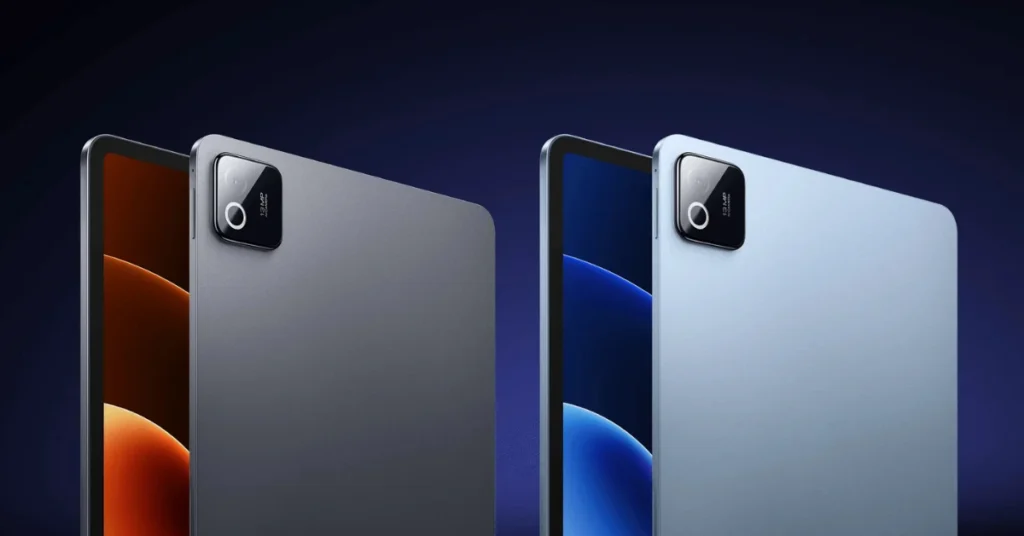
In contrast, the standard ‘Xiaomi Pad 9’ comes with an 11.2-inch display offering a peak brightness of 800 nits. However, both models share key display specifications, including 12-bit color, a 144Hz refresh rate, DCI-P3 color gamut coverage, and a 3:2 aspect ratio.
Significant differences are also evident in terms of portability. The ‘Pad 9’ is quite lightweight, weighing 485g with a thickness of just 5.75mm.
On the other hand, the larger ‘Pro’ model measures 5.8mm in thickness and weighs 580g. Opting for the ‘Soft-Light’ display variant will slightly increase the weight of both devices.
Snapdragon Performance and Memory Configurations
Internally, the two tablets run on Qualcomm hardware belonging to entirely different tiers. The Pad 9 Pro features the 3nm Snapdragon 8 Gen 5 platform paired with an Adreno GPU.
The base model of the Xiaomi Pad 9 is powered by the Snapdragon 8s Gen 4 chip, which easily handles web browsing, streaming, and everyday multitasking. Both tablets come with a base configuration of 8GB of RAM and 128GB of internal storage.
Maximum memory specifications vary by model. The Pad 9 Pro offers up to 16GB of RAM and 256GB of fast UFS 4.1 storage.
The standard Pad 9 tops out at 12GB of RAM and offers the same 256GB UFS 4.1 storage option.
Battery Size and Charging Performance
The battery capacity of each device has been determined in alignment with the size and dimensions of its chassis. The ‘Pad 9 Pro’ houses a massive 11,000mAh battery that supports 67W wired charging.
A notable feature of the ‘Xiaomi Pad 9 Pro’ is its 22.5W reverse charging capability, allowing you to use the tablet to directly charge your phone or other accessories. In contrast, the standard model comes with a 9,720mAh battery that supports 45W wired charging.
Camera Performance and Teleprompter Features
The difference in camera performance between these two tablets is also evident. The ‘Pad 9 Pro’ features a 50-megapixel main camera on the back, capable of recording 4K video.
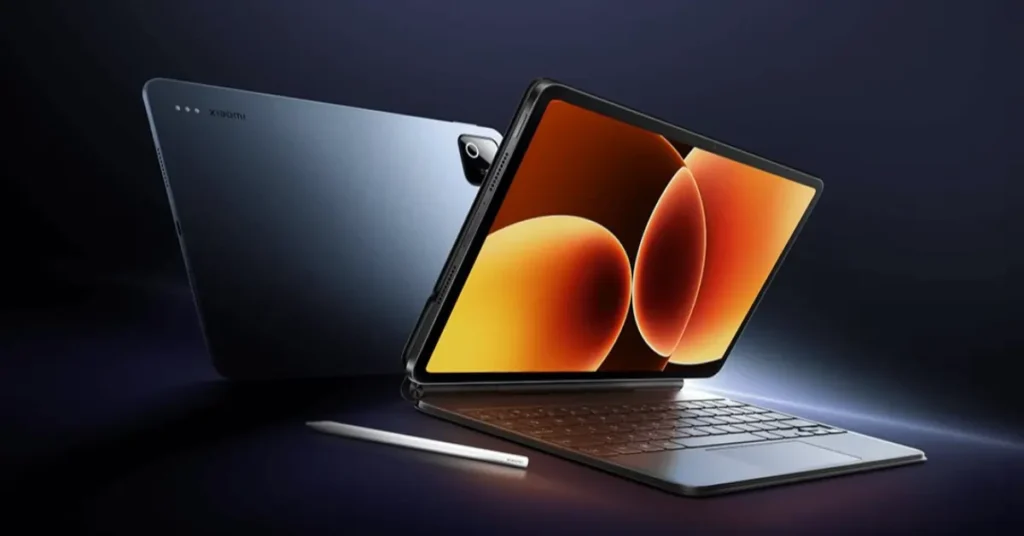
On the front, it houses a 32-megapixel camera that delivers exceptionally clear and crisp video calls. Additionally, it offers an advanced, high-resolution feed for the teleprompter tool, facilitating the smooth reading of presentation notes.
In contrast, the standard model features a more modest camera setup, utilizing a 13-megapixel main camera and an 8-megapixel front lens. Video recording on both cameras of this base model is capped at 1080p; however, it still includes most of the standard shooting modes found on the ‘Pro’ model.
Xiaomi Pad 9 and Pad 9 Pro Price and Storage Options
The official starting price for the base model (8GB+128GB) of the Xiaomi Pad 9 is $450 (approximately ₹43,106). The 8GB+256GB variant is priced at $495 (approximately ₹47,416), while the 8GB+256GB version featuring a ‘soft-light’ screen costs $525 (approximately ₹50,292).
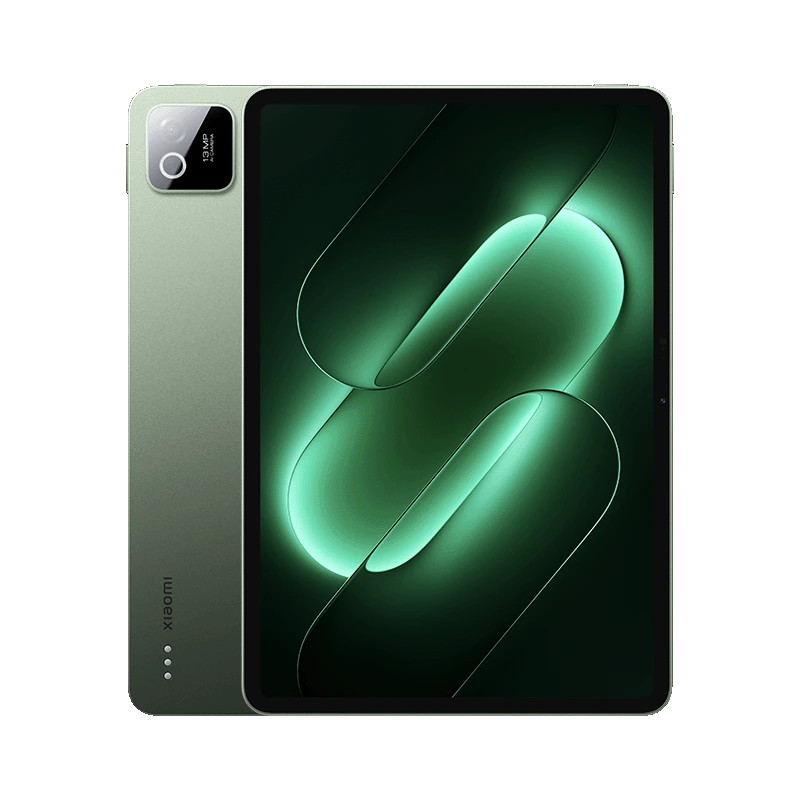
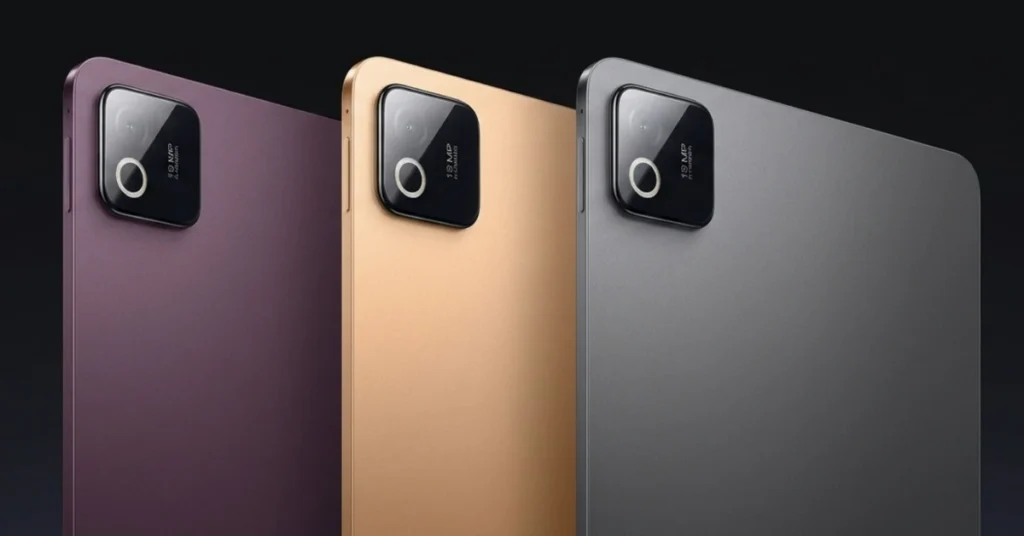
The top-tier 12GB+256GB model is priced at $570 (approximately ₹54,600). Buyers can choose from Silver, Spruce Green, Black, and Ice Peach Pink color options.
Prices for the premium Xiaomi Pad 9 Pro start at $570 (approximately ₹54,600) for the 8GB+128GB configuration. Upgrading to the 8GB+256GB version costs $615 (approximately ₹58,900), and the 12GB+256GB version is priced at $690 (approximately ₹66,083).
The 12GB+256GB soft-light version costs $720 (approximately ₹68,953), while the flagship model with the highest configuration, 16GB+256GB, is priced at $750 (approximately ₹71,829). The Pro model is available in Silver, Spruce Green, and Black colors.