

Lava has officially refreshed its entry-level portfolio with the launch of the Lava Yuva Star 3 in India. This new handset arrives as a direct successor to the Star 2, aiming to capture the offline market with a mix of modern software and surprising durability standards. At a price of Rs. 7,499, it promises to bring the latest Android experience to buyers on a strict budget. But is the hardware enough to keep up? Let’s look at the raw numbers.
Lava Yuva Star 3 Key specifications
The Lava Yuva Star 3 doesn’t try to reinvent the wheel, but it does try to make it tougher. The phone features a large 6.75-inch HD+ display. The resolution sits at 720×1600 pixels, which is standard for this segment. However, Lava has included a 90Hz refresh rate. This is a crucial addition. A higher refresh rate makes scrolling through menus and social feeds feel much smoother compared to the standard 60Hz screens found in many rival devices at this price point.
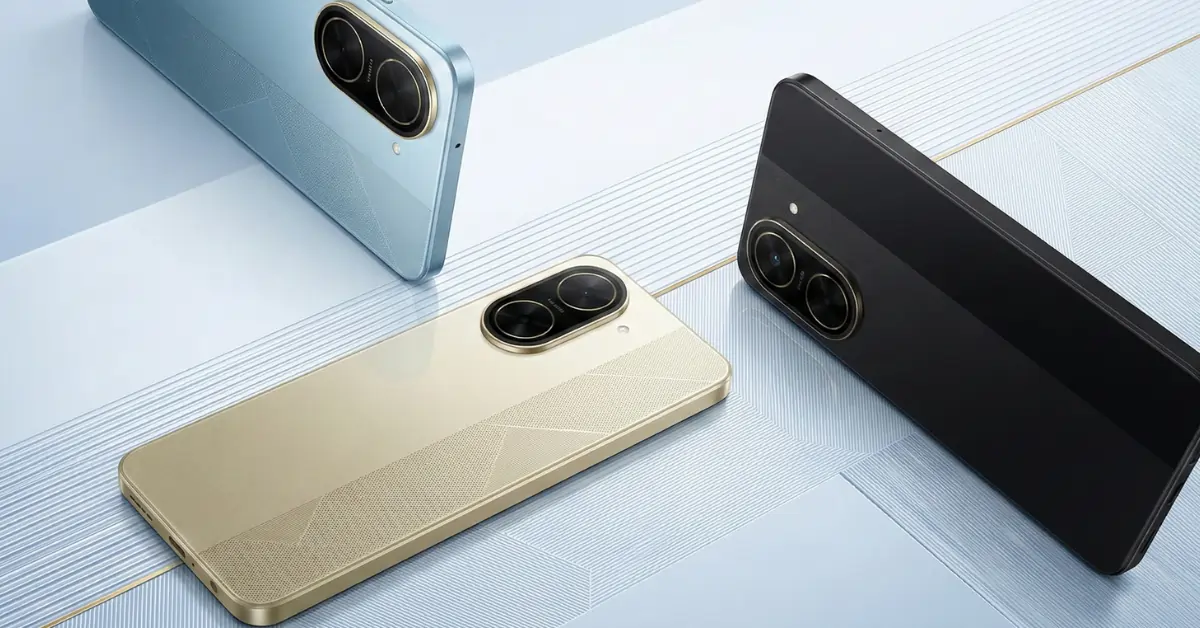
Visually, the Lava Yuva Star 3 adopts a clean look with a modern 20:9 aspect ratio. It measures about 8.5mm in thickness and weighs 193.7g. It’s not the lightest phone, but it feels substantial. Buyers can choose between two color options: Indus Black and Siachen White.
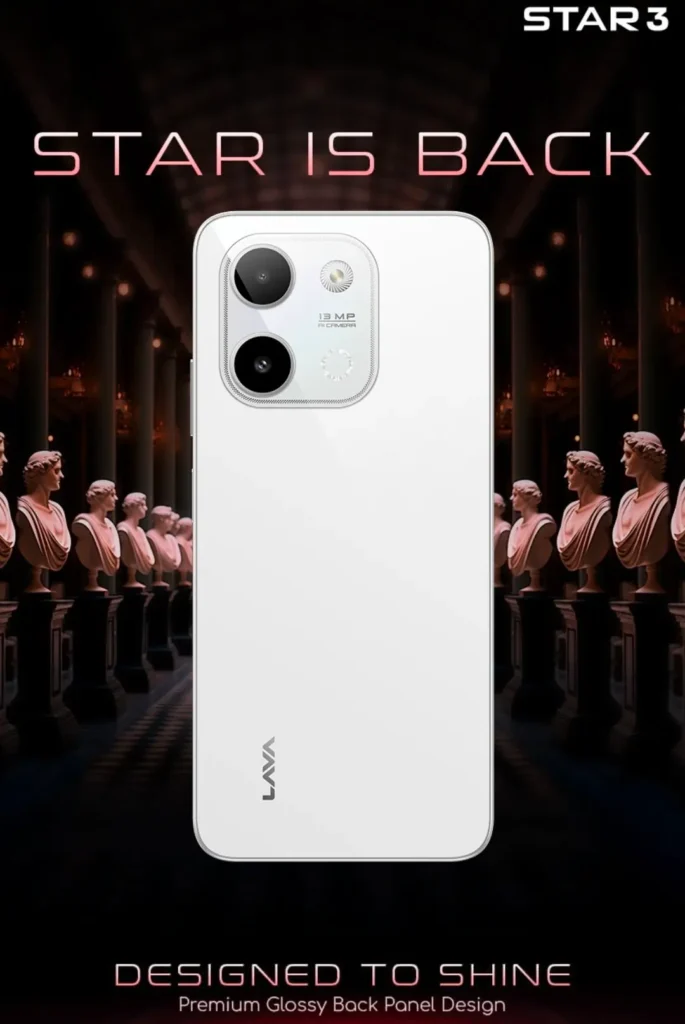
The standout feature here is the build quality rating. The device comes with an IP64 rating for dust and water resistance. Finding an official IP rating in the sub-Rs. 8,000 category is rare. It means the phone can handle dust and splashes of water without dying on you. For daily rough-and-tumble use, this is a big win.
Under the Hood: Processing and Software
Powering the Lava Yuva Star 3 is the octa-core Unisoc SC9863A chipset. This is where buyers need to manage expectations. This processor is an entry-level workhorse designed for basic tasks, not heavy gaming.
To help the processor along, Lava has paired it with 4GB of physical RAM. The phone also supports virtual RAM expansion, allowing you to “borrow” up to 4GB from the storage to boost total RAM to 8GB. This helps keep apps in memory a bit longer. Internal storage is set at 64GB.
The real headline is the software. The phone runs on Android 15 Go Edition out of the box. Go Edition is a lighter, optimized version of Android built specifically for hardware like this. It takes up less space and uses fewer resources than the full Android version. This choice should help the aging Unisoc chip run smoother than expected.
Camera Capabilities
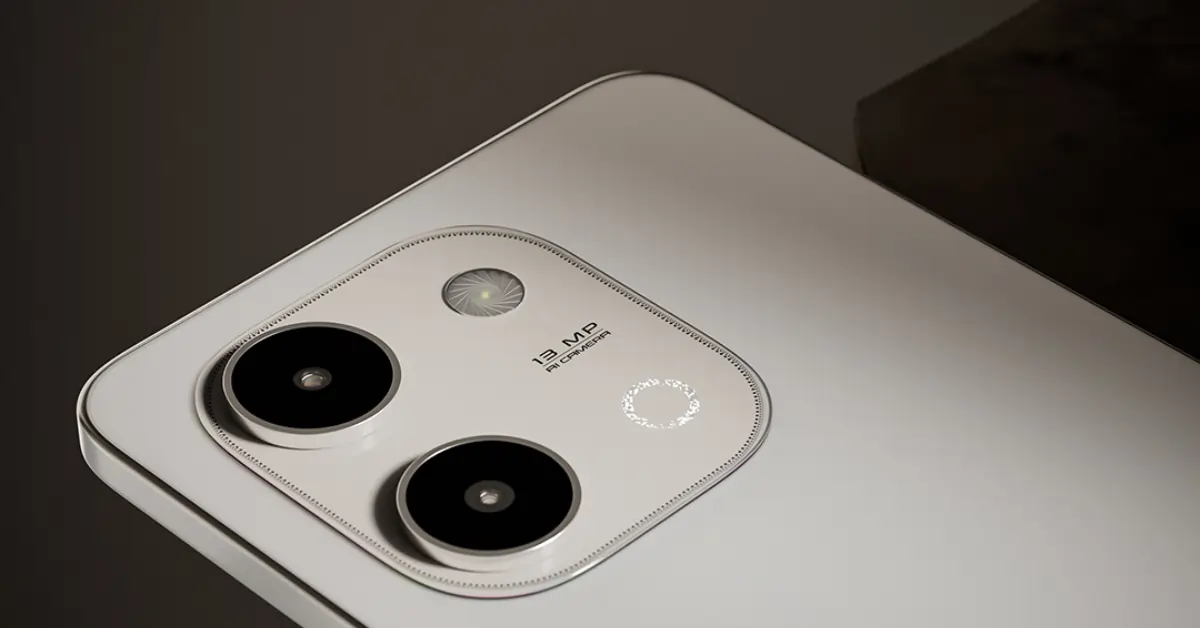
For optics, the Lava Yuva Star 3 sticks to the basics. The rear panel houses an AI-backed camera unit led by a 13-megapixel primary sensor. At this price, “AI-backed” usually refers to scene detection—the phone figures out if you are shooting a flower or a person and adjusts colors accordingly.
On the front, you get a 5-megapixel shooter for selfies and video calls. It’s functional for video chats on WhatsApp, though you shouldn’t expect studio-quality portraits.
Battery and Connectivity
To keep you going all day, the Lava Yuva Star 3 is equipped with a robust 5,000mAh battery. Lava claims this cell can deliver up to 30 hours of talk time or a massive 340 hours of standby time on a single charge. For a typical user, this easily translates to a full day of use.
Charging is limited to 10W via a USB Type-C port. It’s not fast, so you’ll likely need to charge it overnight.
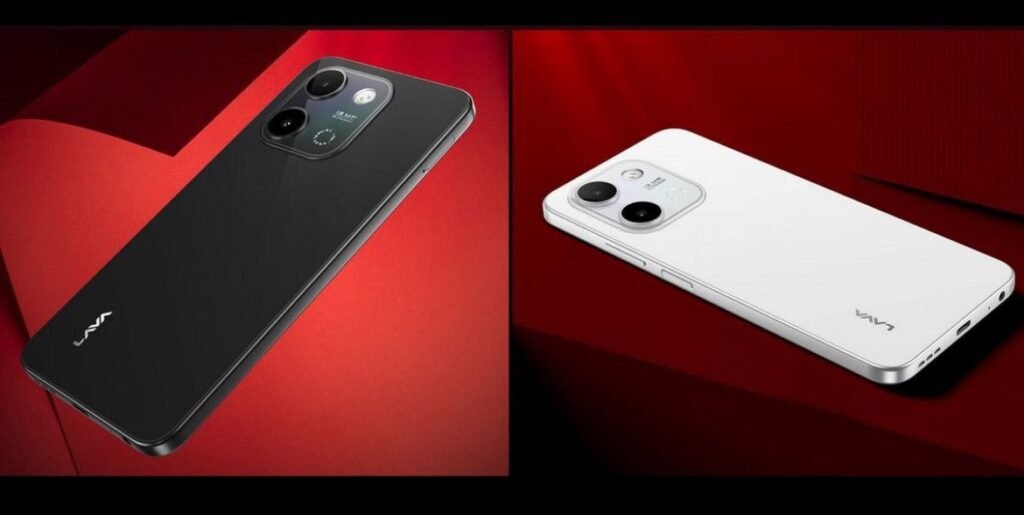
Connectivity options cover all the essentials: 4G VoLTE, Wi-Fi, Bluetooth 4.2, and the trusty 3.5mm audio jack for wired headphones. Security is handled by a side-mounted fingerprint sensor, which is often faster and more reliable than face unlock systems in this tier.
Intaak Media Analysis: The Verdict
The Lava Yuva Star 3 is a fascinating study in compromise. We didn’t get an Editor’s Note for this one, so I’m giving you mine straight.
The Good: The decision to ship with Android 15 Go Edition is brilliant. It future-proofs the software experience for users who usually get left behind on older Android versions. The IP64 rating is also an aggressive move. It signals that Lava understands its target audience—people who need a phone that survives real life, not just one that looks pretty on a desk.
The Bad: The Unisoc SC9863A chipset is undeniably dated. It uses older architecture that isn’t very power-efficient compared to modern 6nm or 12nm chips. While Android 15 Go will help mask some slowness, this is strictly a phone for communication and media consumption. Do not buy this expecting to play graphics-heavy games.
The Bottom Line: Lava has focused on “usability” over “spec-sheet vanity.” They prioritized a smoother screen (90Hz), the latest software, and physical durability over a faster processor.
For a first-time smartphone user, a student, or someone needing a secondary device for calling and WhatsApp, the Lava Yuva Star 3 offers solid value at Rs. 7,499. It’s a safe, durable bet for the offline market where reliability often trumps raw speed. Just remember to keep your charger handy for that 10W top-up speed.
(via)