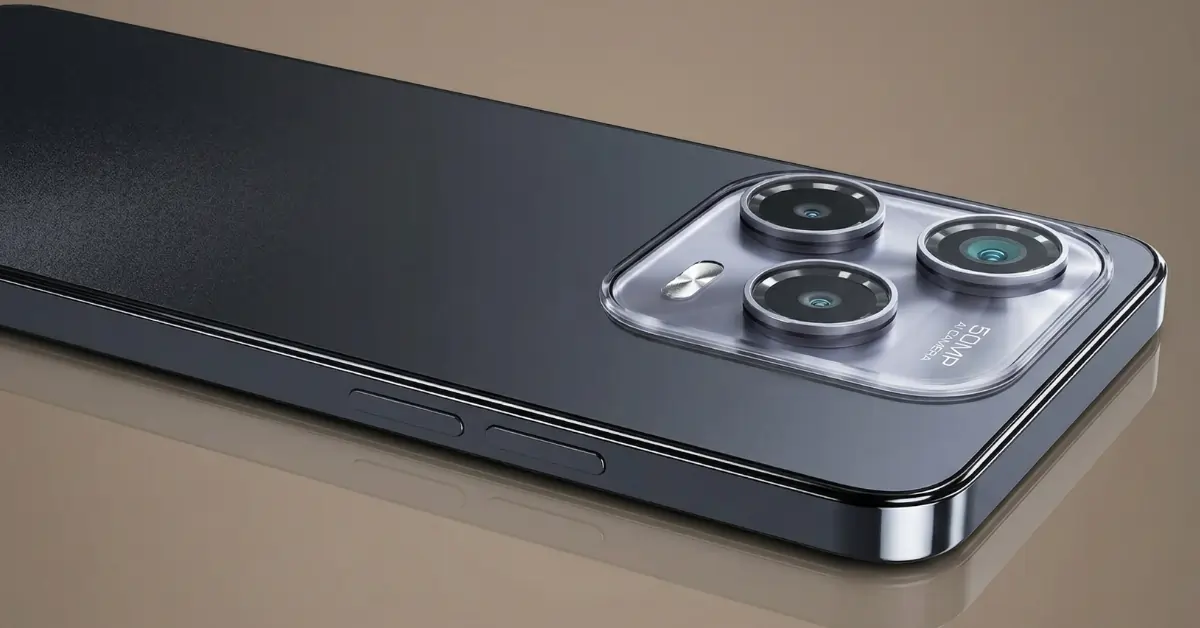


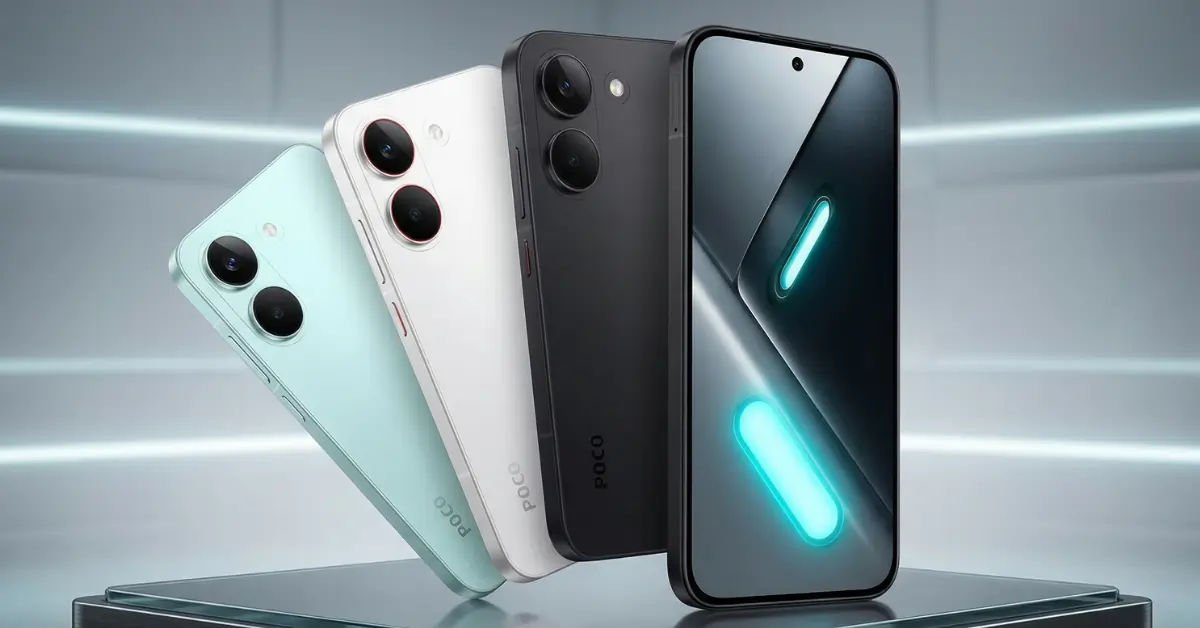
POCO is pushing the boundaries of its performance-focused X-series with the newly launched POCO X8 Pro 5G. Designed for the competitive mid-premium segment in India, the device prioritizes raw power and extreme durability. The market now has a fierce new contender that blurs the line between mid-range pricing and premium flagship features.
POCO X8 Pro 5G vs X7 Pro Specification
The display on the POCO X8 Pro 5G (leaks) marks a slight shift in strategy for the brand. It features a compact 6.59-inch 1.5K AMOLED panel. This is actually a step down in physical size from the 6.67-inch CrystalRes screen protected by Gorilla Glass 7i found on last year’s POCO X7 Pro. However, POCO bumped the peak brightness to a blinding 3,500 nits, up from the older 3,200 nits limit. The 120Hz refresh rate remains unchanged. Buyers get a more pocketable form factor without sacrificing visual fidelity or outdoor visibility.
Durability is a major focus this year. The POCO X8 Pro 5G boasts a rare and rugged IP69K rating. This means it survives high-pressure hot water jets and extreme dust environments. The older X7 Pro featured a respectable IP68/IP69 rating, but this new certification makes the current model one of the toughest phones in its class.
Under the hood, the POCO X8 Pro 5G runs on the MediaTek Dimensity 8500 Ultra chip. This processor uses a highly efficient 4nm-class architecture. It replaces the Dimensity 8400 Ultra found in the X7 Pro, which previously relied on LPDDR5X RAM and UFS 4.0 storage to clear 1.7 million on AnTuTu benchmarks. Users can expect better sustained performance and improved thermal management during heavy workloads. Software also sees a major update, with the device shipping with Xiaomi HyperOS 3 based on the brand-new Android 16.
Battery tech takes an interesting turn. The new POCO X8 Pro 5G packs a 6,500mAh silicon-carbon battery. This is a tiny drop from the 6,550mAh cell in the Indian X7 Pro variant (the global model used 6,000mAh). But charging gets a noticeable upgrade. The phone now supports 100W HyperCharge, beating the previous 90W limit that took roughly 42 to 47 minutes for a full charge. It even introduces wireless charging support, a very rare feature in this specific price tier.
Camera hardware sees a lateral move rather than a massive leap. The rear setup uses a 50MP Sony IMX882 primary sensor with an f/1.8 aperture, paired with an 8MP ultra-wide lens. This replaces the 50MP Sony LYT-600 sensor with OIS from the predecessor. Selfies and video calls are still handled by a reliable 20MP front camera.
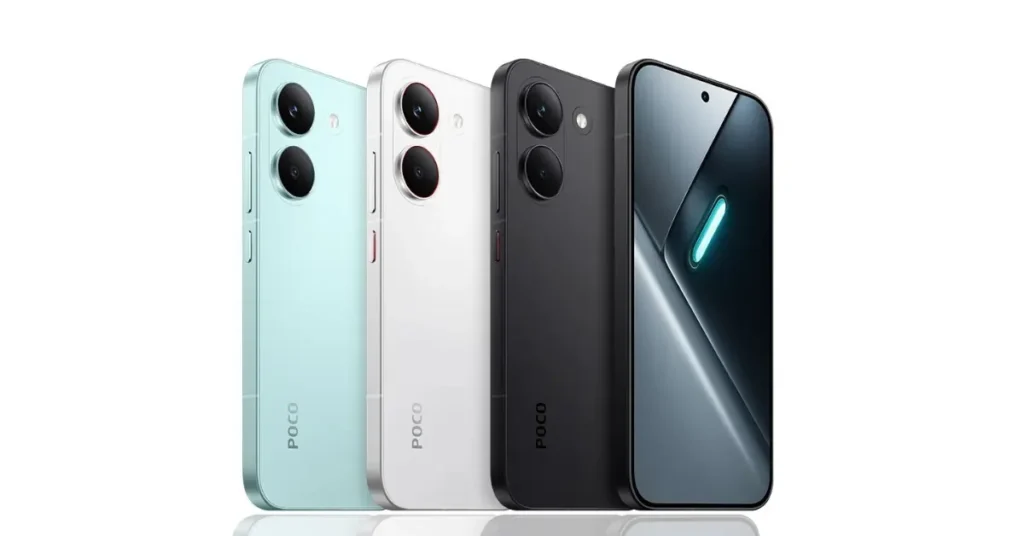
Pricing is where the market will see the biggest shock. The POCO X8 Pro 5G carries a standard price of ₹32,999 for the 8GB RAM and 256GB storage model, though an introductory offer drops it to ₹29,999. The 12GB variant costs ₹35,999 (₹32,999 with offers). A special Iron Man Edition is also available for ₹37,999 (₹34,999 with offers).
This represents a massive price hike. The older X7 Pro launched at just ₹23,999 for the 8GB model and ₹25,999 for the 12GB version. Buyers are clearly paying a heavy premium for the IP69K rating, the newer chip, and wireless charging. The competition is incredibly fierce. The rival iQOO Neo 10 5G offers a larger 7,000mAh battery housed in a slim 8.09mm body, 120W charging that hits 100% in 36 minutes, and a quicker 144Hz, 6.78-inch display peaking at 5,500 nits.
It uses the Snapdragon 8s Gen 4 chip with a dedicated Q1 chip for 144 FPS gaming. It matches the main camera with a 50MP IMX882 OIS sensor but upgrades the selfie camera to 32MP while running FuntouchOS 15 (Android 15). However, the 206g iQOO falls short in build quality with a composite plastic frame and back, and only an IP65 rating. POCO is betting that users will pay more for premium durability over pure screen size.
This new release represents a significant shift for the brand. It moves away from budget-friendly performance and pushes aggressively into the premium tier. The addition of wireless charging and extreme water resistance easily justifies the higher cost for some users. However, those strictly seeking pure gaming performance and faster charging might find the rival iQOO Neo 10 slightly more appealing for the money. Buyers looking for a highly durable, well-rounded daily driver will find a lot to like here. Those holding out for a rugged powerhouse should definitely consider the POCO X8 Pro 5G.
(Via)