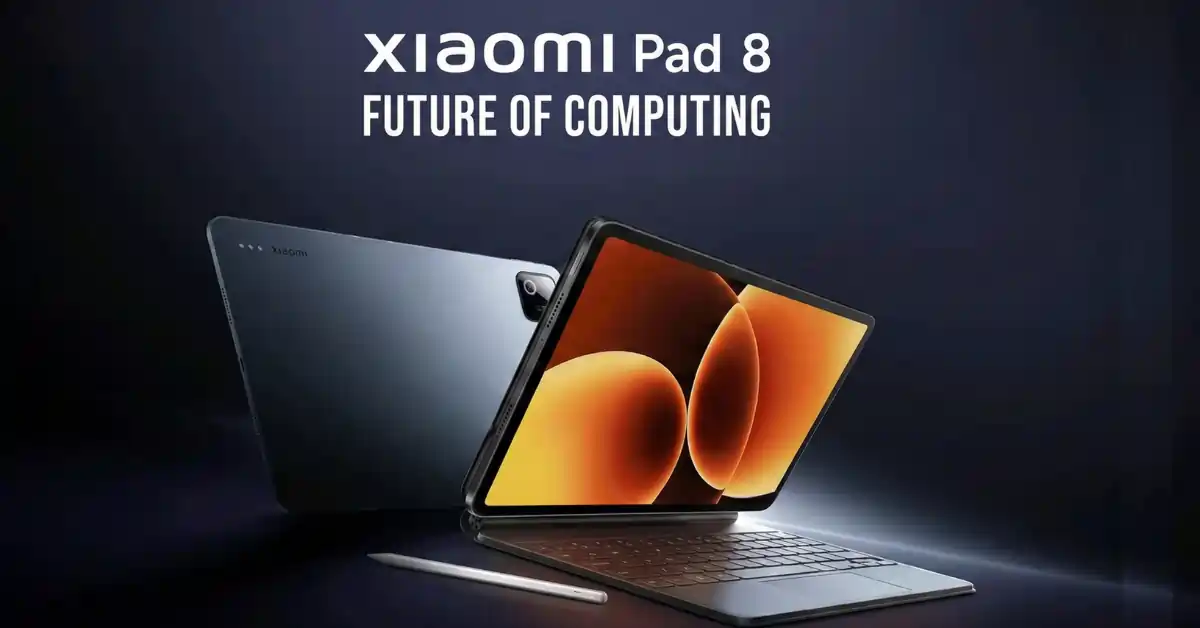


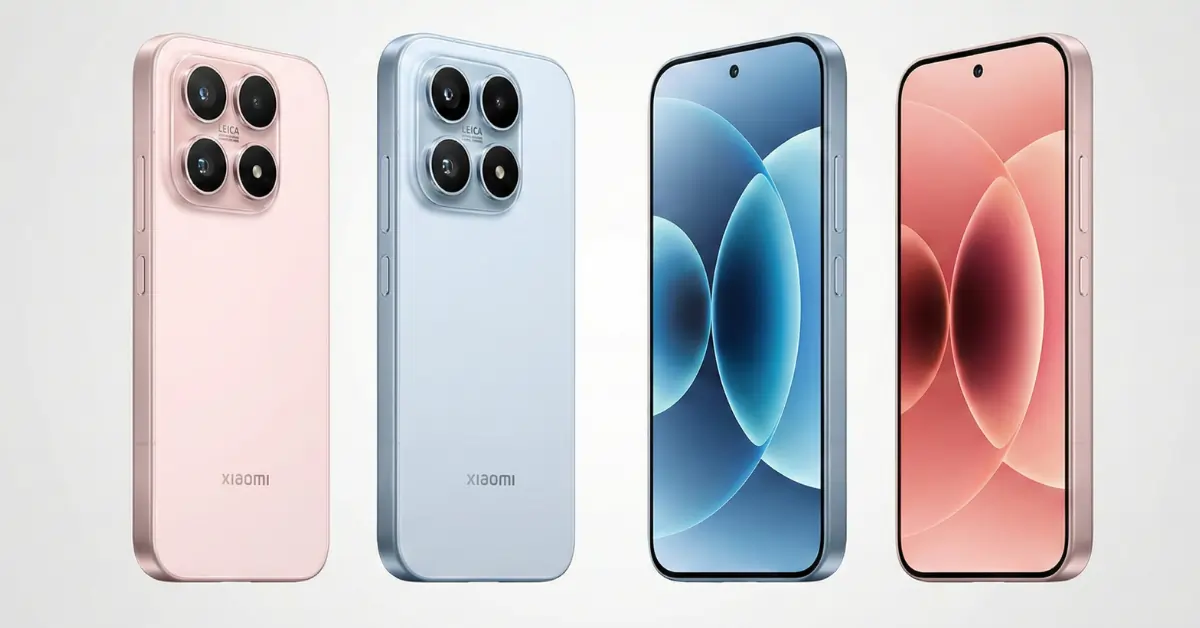
The Xiaomi 17 global launch is finally set for February 28, 2026. We are getting the massive Leica camera upgrades and next-gen Snapdragon silicon we expected. But looking closely at the spec sheet, I have questions. The global units seem to have lost some battery capacity on the flight over.
Xiaomi 17: The Compact Flagship
The standard model is often the unsung hero, and the Xiaomi 17 makes a strong case for itself. It keeps things manageable with a 6.3-inch LTPO AMOLED display. It is sharp, fast with a 120Hz refresh rate, and incredibly bright, hitting a peak of 3500 nits. This screen is protected by Xiaomi’s own Dragon Crystal Glass.
Under the hood, this device runs on the Qualcomm Snapdragon 8 Elite Gen 5. This is 3nm silicon. It is efficient and powerful. You get 12GB of RAM paired with either 256GB or 512GB of storage. It is enough for most users, though the lack of expandable storage might annoy some data hoarders.
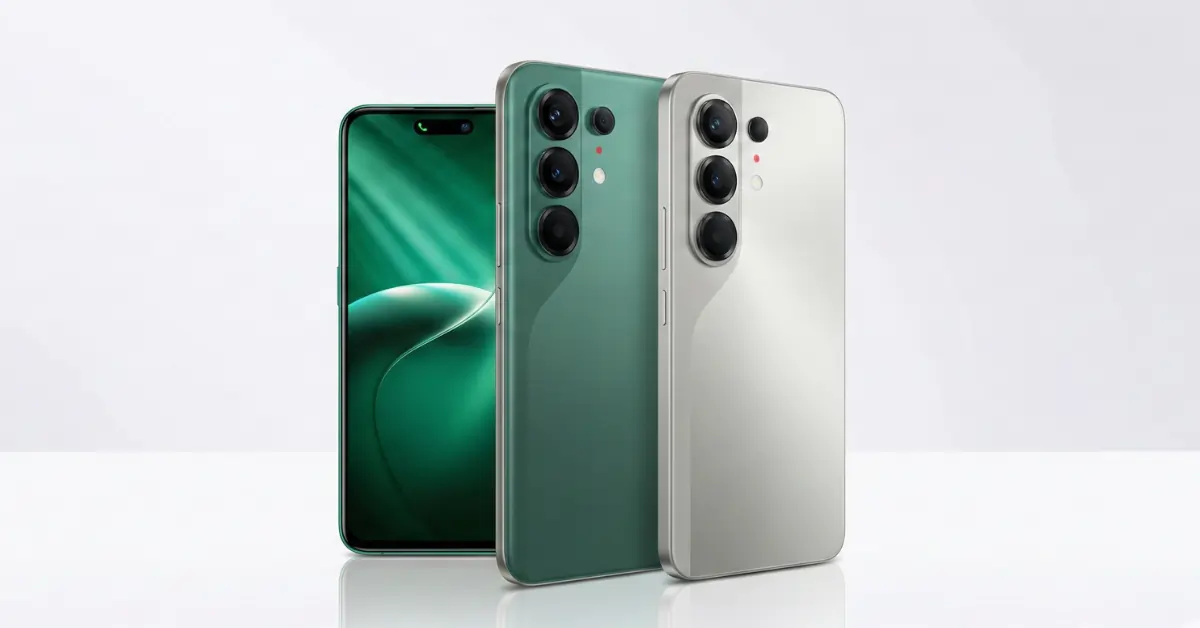
The camera system is where Xiaomi usually wins. We are looking at a triple 50MP setup for the wide, telephoto, and ultra-wide lenses. All tuned by Leica. OIS is present to keep your shots steady. For selfies, there is a 32MP shooter on the front.
However, we need to talk about power. The Xiaomi 17 global launch brings us a 6,330mAh battery. That is huge by 2024 standards, but excellent by 2026 standards? Maybe. But here is the kicker: the version sold in China has a 7,000mAh cell. We are getting nearly 700mAh less. You still get 100W wired charging and 50W wireless, which is fast. But the capacity gap is noticeable.
Expected pricing in India starts around ₹80,000. For that money, you get Android 16, HyperOS 3, and IP68 resistance.
Xiaomi 17 Ultra: The Photography Monster
If the standard model is for the mainstream, the Ultra is for the enthusiasts. The Xiaomi 17 Ultra pushes the boundaries of what a phone camera can do. This device is the headline act of the Xiaomi 17 global launch event.
The display jumps up to a massive 6.9 inches. It shares the same 3500 nits brightness and 120Hz refresh rate as its smaller sibling but uses Dragon Crystal Glass 3.0 for better durability. It is built tough, boasting both IP68 and the newer IP69 rating for water and dust resistance.
The cameras are ridiculous. The main sensor is a 1-inch 50MP unit. That is practically a compact camera sensor inside a phone. But the real star is the 200MP periscope telephoto lens. It offers 3.2x to 4.3x continuous optical zoom. This allows for incredible detail at a distance. A 50MP ultrawide rounds out the back, and the front camera gets a bump to 50MP with autofocus.
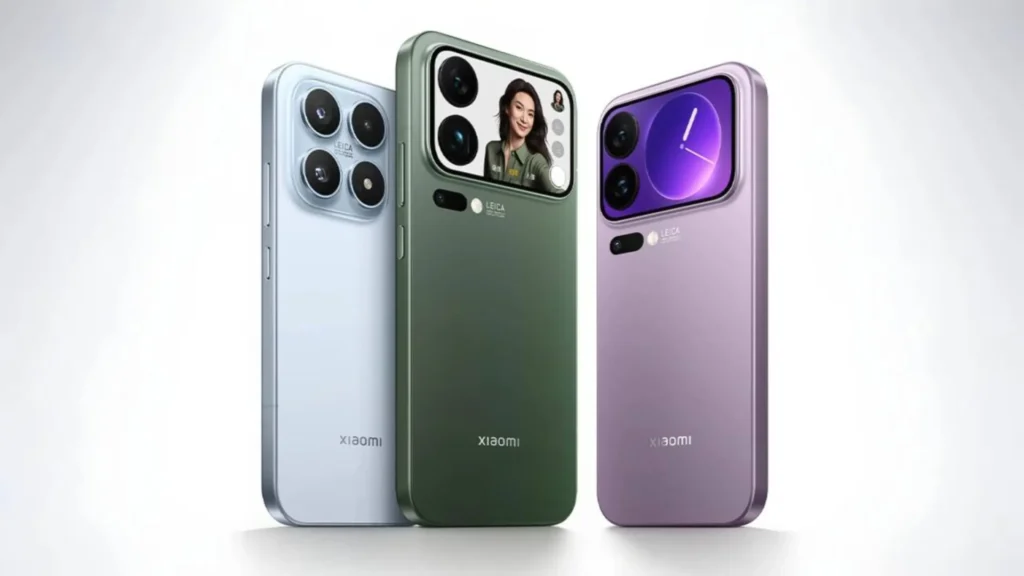
Like the standard model, it uses the Snapdragon 8 Elite Gen 5 silicon. You get more RAM here,16GB standard, and storage options go up to 1TB.
Then we have the battery situation again. The global Ultra packs a 6,000mAh battery. The Chinese model? 6,800mAh. It supports 90W wired charging, oddly slower than the standard model’s 100W and 50W wireless.
This premium package comes with a premium price tag. Expect to pay around ₹1,25,000 in India. For that, you also get region-specific features like two-way satellite communication.
Intaak Media Analysis: The “Global Tax” is Real
The Xiaomi 17 global launch is a bittersweet moment. On one hand, the hardware is stunning. The Snapdragon 8 Elite Gen 5 is likely the fastest chip on the market right now. The move to a continuous optical zoom on the Ultra is a game-changer for mobile photography. Xiaomi and Leica have truly figured out how to make digital images look organic.
But I cannot ignore the battery downgrade.
Why do global users get significantly smaller batteries? Is it safety regulations? Is it a weight concern? Or is it simply cost-cutting? When you pay ₹80,000 or ₹1,25,000 for a flagship, you expect the best version of that product. Knowing that a superior version exists in another market stings.
The Xiaomi 17 global launch brings us incredible devices, no doubt. The Xiaomi 17 Ultra is likely the best camera phone of 2026. But as we watch the Xiaomi 17 global launch unfold, that missing battery capacity is a glaring omission in an otherwise perfect spec sheet. If you prioritize cameras above all else, buy the Ultra. If you want value, the standard 17 is a solid pick, even with the smaller cell.
We are excited to test these devices on February 28. Stay tuned for our full review.
(Via)