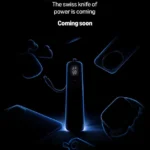

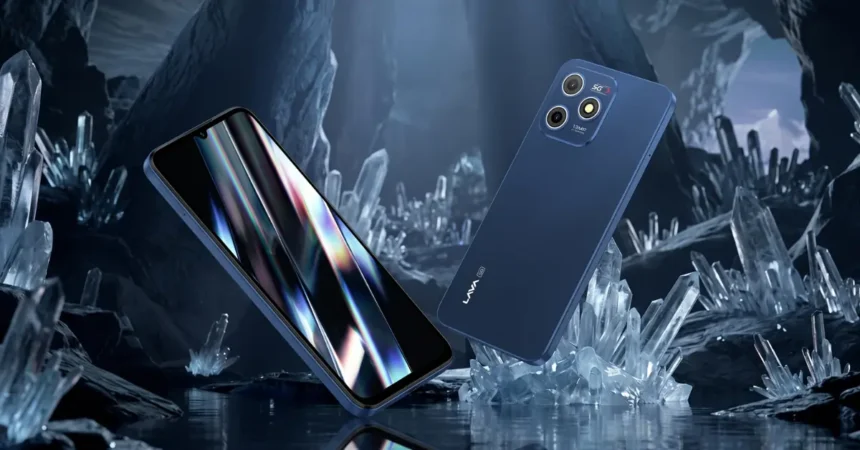
According to recent information from 91mobiles, the budget smartphone market in India is set for a major change this April 2026. The new Lava Shark 2 5G is entering the scene. Positioned as a budget powerhouse, the brand aims to lead the sub-₹10,000 segment. This device focuses on long battery life and 5G access for everyday users. I think this is just what the entry-level market needs right now.
The previous Lava Shark 5G launched in May 2025 for about ₹7,999. The new version is expected to have a price of ₹9,999 for the base model with 4GB RAM and 128GB storage. This indicates a significant price increase from last year. However, you will see a notable improvement in quality of life features to justify that extra cost.
The Spec Leap: What Changed
The older model featured a Unisoc T765 chip, which is about twenty percent slower. It also had a standard 5000mAh battery with 18W charging and a basic 90Hz screen. The new version upgrades almost everything that matters to heavy users. With the Lava Shark 2 5G, the brand clearly targets buyers who need dependable daily performance without spending too much.
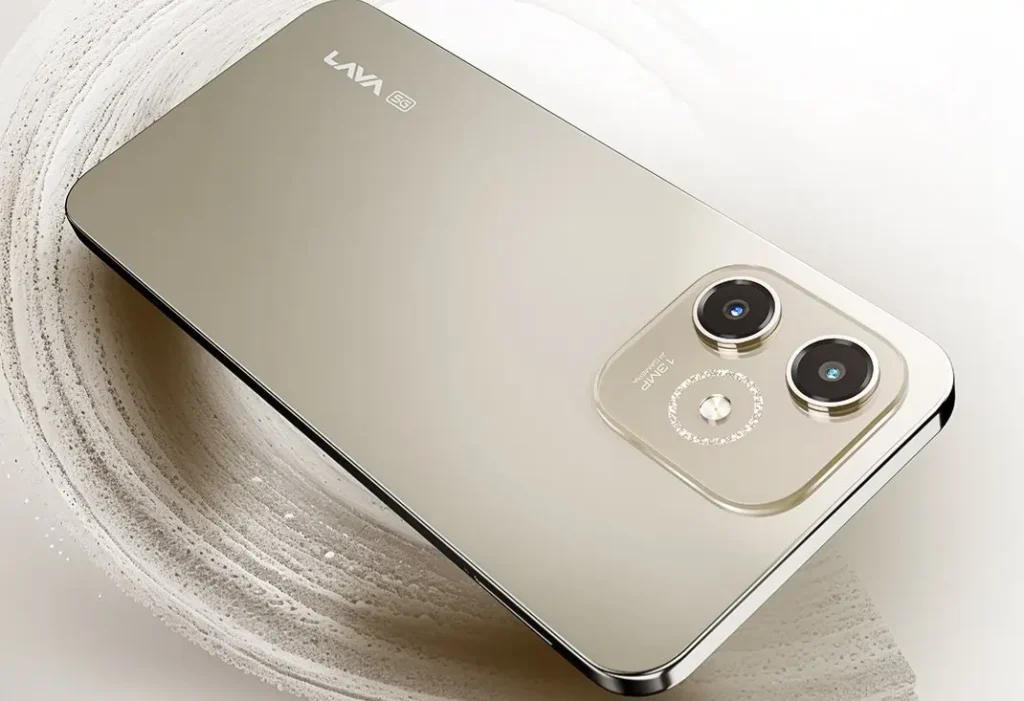
The new Lava Shark 2 5G has a stylish glossy finish with a modern triple-camera setup on the back. It boasts a large 6.75-inch HD+ IPS LCD screen with a smooth 120Hz refresh rate. The display reaches a maximum brightness of 500 nits. For cameras, you get a solid 50MP main lens paired with a 2MP macro and an AI lens, plus a clear 16MP front selfie camera.
Under the hood, the Lava Shark 2 runs on the MediaTek Dimensity 6300 octa-core processor, clocked at 2.4GHz. It comes with up to 6GB of LPDDR4X RAM, 6GB of virtual RAM, and expandable storage of up to 1TB via MicroSD. The real highlight here is the Lava Shark 2. It has a huge 6000mAh battery and supports 33W fast Type-C charging. Unlike the predecessor, which took two and a half hours to charge, this one finishes in about an hour and fifteen minutes.
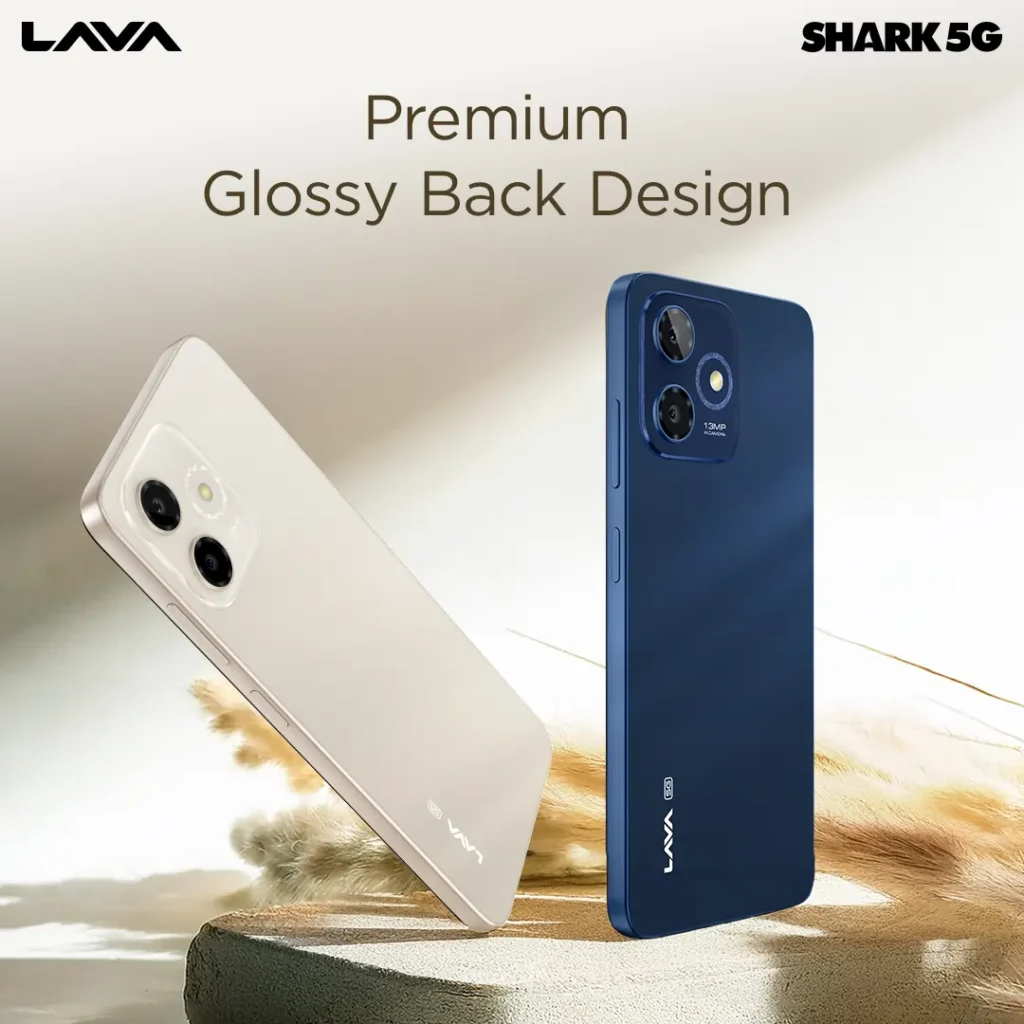
On the software side, the phone comes with Android 15. You get a clean user interface with no bloatware. This is a smart move by the company. It makes the phone feel much faster than competing devices loaded with unnecessary apps.
Lava Shark 2 Specs At Glance (Rumor)
Read This Before You Buy: The Hidden Downgrades
Now, let’s discuss some hidden details that brands rarely mention. Because the screen is so large at 6.75 inches but has only HD+ resolution, the pixel density is just 260 PPI. This means the sharpness is actually lower than that of smaller budget phones. You might notice text appearing a bit soft if you look closely at the screen.
Another thing to consider is the Widevine L1 mystery. Budget phones from this brand often come with Widevine L3. This means Netflix and Amazon Prime will only play in 480p, making that big screen look blurry while watching movies. I recommend installing the DRM Info app from the store to check the security level before streaming your favorite shows on your Lava Shark 2.
Gamers considering the Lava Shark 2 should also note the software gyro lag. Many budget phones use a virtual gyro through the accelerometer, which is not great for aiming in games like BGMI or Free Fire. You should also check that your specific unit actually uses UFS 2.2 storage. Some regional models switch to older eMMC 5.1 storage to save on costs. The fact is that eMMC can make the phone feel slow after just six months, while UFS 2.2 keeps it quick for two years.
The Rivalry: Does It Beat Redmi and Samsung?
How does the Lava Shark 2 5G stack up against the competition? The Redmi 14C 5G is available for around ₹9,499. The Redmi performs better in gaming because its Snapdragon 4 Gen 2 chip handles sustained performance and photo processing more effectively. It also has a wider selection of accessories for cases and screen protectors in local markets.
However, the Indian brand excels in battery life and software experience. The massive 6000mAh battery easily outperforms the 5160mAh cell found in the Redmi 14C for long-distance commuters. Redmi’s HyperOS often includes annoying ads and pre-installed junk apps. Lava’s free Service at Home is another significant advantage for people living away from city service centers.
Then there is the Samsung Galaxy M17e, priced much higher at ₹12,499 to ₹15,499. It shares the same MediaTek Dimensity 6300 chip and 6000mAh battery. However, Samsung provides slower 25W charging. Samsung does offer Android 16 out of the box with an impressive six years of updates, but you have to decide if spending an extra ₹3,000 is worth it for longer updates when the core speed is the same.
| Feature | Lava Shark 2 5G | Redmi 14C 5G | Galaxy M17e |
|---|---|---|---|
| Display | 6.75″ HD+ IPS, 120Hz | 6.7″ HD+ LCD, 90Hz | 6.6″ Super AMOLED |
| Processor | Dimensity 6300 | Snapdragon 4 Gen 2 | Dimensity 6300 |
| Battery | 6000mAh | 5160mAh | 6000mAh |
| Charging | 33W Fast Charging | 18W Charging | 25W Fast Charging |
| Storage Type | UFS 2.2 | eMMC 5.1 / UFS 2.2 | UFS 2.2 |
| Special USP | Service at Home | Brand Value | 6 Years of Updates |
The smartphone market under ₹10,000 is highly competitive right now. If you want ad-free software and long battery life, this new Indian budget choice is worth considering. If you are looking for a smartphone in this price range, wait for the Lava Shark 2.
(Via)