
Modern mobile operating systems force users to juggle many apps to complete basic tasks. The traditional interface feels outdated in the age of generative AI. Reports indicate an OpenAI smartphone is in development for 2028 to solve this problem. By controlling both the hardware and operating system, the company aims to replace the familiar app grid with an intelligent AI agent that acts on behalf of the user.
What to Expect from the OpenAI Smartphone UI
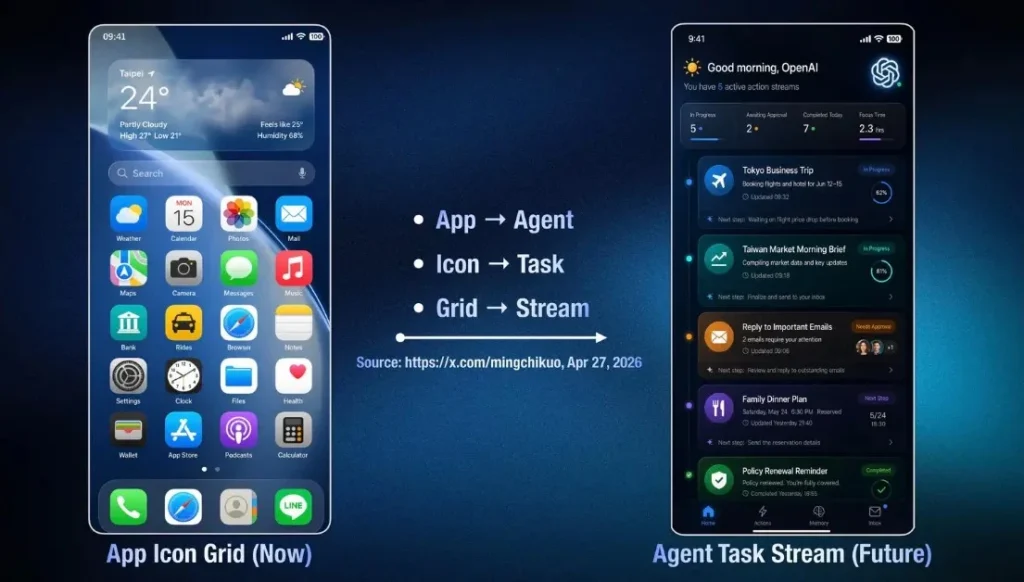
The biggest change with the rumored OpenAI smartphone is in the UI/UX design. Instead of navigating a cluttered home screen filled with separate apps, users will interact with a unified AI agent. This system focuses on what the user intends to do rather than managing files or apps. Consumers just want their tasks completed, and the digital interface will adjust to meet those needs in real-time.
To accomplish this, the device must constantly monitor the user’s daily context. A true AI agent needs real-time inputs to provide helpful, predictive support. This level of system access raises significant concerns about privacy and local data processing within the tech community. The hardware must manage this constant data flow without depleting the battery quickly.

This need for efficiency highlights why custom silicon is crucial for the upcoming device. Industry analysts report that MediaTek and Qualcomm are developing specialized processors, with specifications expected to be finalized by early 2027. These chips will prioritize managing memory hierarchy and running small-scale AI models locally. Keeping basic tasks on the device reduces latency and protects user privacy.
For intensive computing tasks, the operating system will efficiently offload processing to cloud AI servers. This combination of edge and cloud computing is vital for a smooth user experience. If the initial target is the global high-end mobile market, the replacement cycle could significantly increase processor demand. This premium tier currently ships up to 400 million units per year worldwide.
On the manufacturing side, Luxshare is becoming the exclusive assembly partner. Winning this contract gives Luxshare a strong position in the tech supply chain. Surpassing Hon Hai’s assembly role in Apple’s ecosystem has been challenging for the company. With an early foothold in this new hardware generation, Luxshare could emerge as a major player.
How the AI Agent Compares to the iOS App Grid
The current mobile landscape is dominated by Apple and Google. The traditional iOS model relies on a rigid grid of apps that seldom work together smoothly. If a user wants to book a flight and add it to a calendar, they must switch between different software. This creates constant friction and slows down digital workflows.
An OpenAI smartphone operating system could disrupt this entrenched ecosystem. The AI agent can act as a universal translator between services, removing the need for loyalty to individual apps. Consumers interact with the agent, and it seamlessly interacts with APIs in the background. However, creating a new developer ecosystem from scratch is a considerable challenge.
Hardware Bundles and Premium Paywalls
Building hardware is costly, but software subscriptions can create significant long-term value. Acquiring an OpenAI smartphone might involve a unique business model where hardware purchases are bundled with premium subscriptions. Users could buy the device at a discounted rate if they agree to a monthly fee for cloud processing. This model turns the physical device into a source of ongoing revenue.
Consumers are already tired of endless digital paywalls and subscription fees. For this pricing model to succeed, the real-world benefits of the AI agent must clearly justify the ongoing cost. A confusing interface or slow cloud response will quickly discourage buyers. The brand must use its years of collected user data to ensure the agent feels essential.
The Future of the OpenAI Smartphone
The idea of an intent-driven digital interface is exactly what today’s stagnant mobile market needs. The current app-based experience feels like a relic from the early days of smartphones. However, creating a seamless AI agent that handles both on-device privacy and cloud processing is a significant technical challenge. The tech community will demand full transparency about how real-time data is collected and stored.
If the final software is merely a voice assistant in a custom package, it will struggle to justify the high cost of the hardware. The industry needs a fundamental redesign of how operating systems manage user intent and background tasks. The success of this launch will rely entirely on effectively integrating custom silicon and software. Ultimately, only a deeply connected, zero-latency experience will persuade consumers to switch to an OpenAI smartphone.