

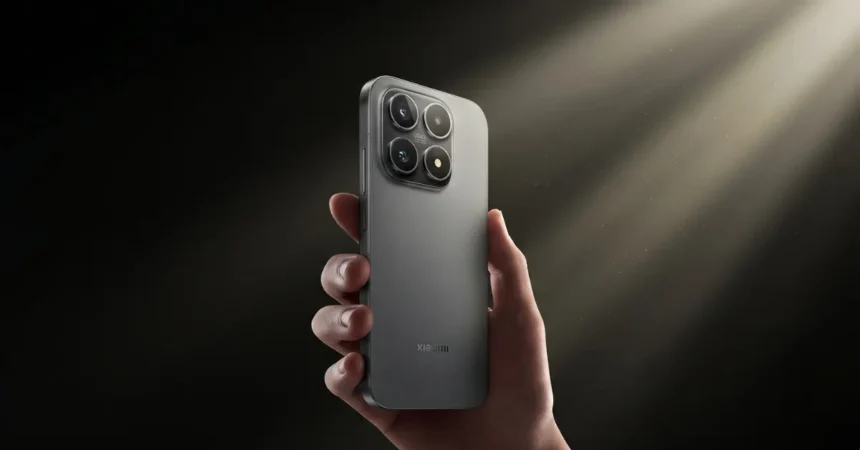
According to tipsters Debayan Roy and Digital Chat Station, Xiaomi is preparing a massive shift in its smartphone lineup. The much-anticipated Redmi Note 17 Pro Max is set to debut in China during the third quarter of 2026. This marks a radical departure from their usual mid-range strategy. You might be wondering what happened to the Note 16 series entirely.
Xiaomi is executing a generational skip this year to simplify its naming conventions. Just as they jumped directly from the Xiaomi 15 to the Xiaomi 17 last year, the Redmi sub-brand is following suit by skipping the Note 16. This strategic move clearly signals that the brand wants a fresh start in the premium tier. Positioning it as a true ultra-flagship is a massive gamble for Xiaomi.
The Redmi Note 15 Pro Plus 5G just launched in India recently on January 29, 2026. It brought a massive 6,500mAh silicon-carbon battery with 100W HyperCharge for a very reasonable price. That device also featured a durable Titan Structure and ran on HyperOS 2 based on Android 15.

The top-end 12GB RAM and 512GB storage model of the Note 15 Pro Plus topped out at ₹43,998. Now, leaks suggest the upcoming Redmi Note 17 Pro Max will cost between ₹80,000 and ₹1,10,000 in India. This suggests a steep price hike compared to last year, showing how the Redmi series is no longer truly budget-friendly. The brand is clearly targeting buyers who usually pick up a top-tier Samsung or Apple device.
A Powerhouse Disguised as a Redmi
Under the hood, this phone is shaping up to be a complete performance monster. Leaks indicate it will run on the upcoming Snapdragon 8 Elite Gen 5 chipset. This processor will be paired with up to 16GB of RAM for flawless multitasking and heavy gaming. The Redmi Note 17 Pro Max will easily rival the most expensive gaming phones available today.

The display setup is where things get truly interesting and highly experimental. We are looking at an innovative dual-display design that breaks away from traditional phone aesthetics. The front houses a massive 6.9-inch 2K main AMOLED screen for immersive media consumption. Early reports also mention a 1.5K flat LTPS OLED panel, which likely serves as the baseline display technology for the standard models in the Note 17 family.
The real showstopper is the unique 2.9-inch secondary rear display located near the camera module. You can use this rear screen for quick notifications and taking high-quality selfies with the main camera. This kind of hardware is quite rare and adds a fresh dynamic to a very stagnant smartphone market. I believe this feature alone will attract a lot of tech enthusiasts who are bored with standard slab phones.
Premium Cameras and Ultimate Durability
For the camera enthusiasts, Xiaomi is pulling out all the stops to justify the ultra-premium pricing. The Redmi Note 17 Pro Max features a Leica-tuned triple-camera setup with 50MP sensors. This system includes a 5x optical periscope lens for incredible zoom capabilities without losing detail. Partnering with Leica gives this phone the photographic muscle it needs to challenge current premium flagships.
Build quality is also getting a massive upgrade to match the new price tag. The device features a solid metal frame and an IP69 rating for top-tier water and dust resistance. It also includes an optical in-display fingerprint scanner for quick and secure unlocking. Looking at the current market, these are standard features for a ₹1 Lakh phone, but seeing them on a Redmi device is shocking.

So, is this massive price jump actually justified for the consumer? Moving from a ₹40,000 phone to a ₹1 Lakh device completely changes the target audience. The Redmi Note 17 Pro Max is squarely aimed at tech enthusiasts who want experimental features like a secondary screen and Leica optics. It is definitely not for the college student looking for a quick bargain.
The predecessor Note 15 Pro Plus offered four major Android updates and six years of security patches. Given the ultra-premium positioning of the new flagship, buyers should expect at least the same level of long-term software support. While battery details for the new leak remain scarce, carrying over the massive 6,500mAh silicon-carbon tech seems highly likely. A dual-screen setup will require immense power, so a massive battery is non-negotiable for all-day usage.
If you are considering a smartphone around the ₹80,000 mark, the new Redmi phone might be worth waiting for, particularly if extreme camera zoom is your priority. It completely reshapes what we expect from the Chinese brand in India. I advise keeping a close eye on the upcoming Q3 launch in China to see if the real-world performance matches these wild leaks. Until then, hold onto your cash and prepare for the arrival of the Redmi Note 17 Pro Max.