

If you have recently noticed a new app on your device, you could ask, How to set up Android Pulse on my smartphone? The sudden appearance of this application has made many users ask: What is the Android Pulse app used for? This is really helpful: recently deployed by Google, the Android Device Pulse App is a background system usefulness designed to monitor the imagination consumption of other applications on your device. While the name suggests a health or fitness connection, the reality is quite different.
An excellent solution is that, in this guide, we will separate what this feature actually does on your phone and address the widespread confusion about its purpose.
Note
We tested this method on devices running the latest Android software updates. Because this is an official Google system application, do not attempt to force uninstall it using third-party tools, as this can cause your operating system to become unstable or crash.
What is the Android Pulse app used for?
The strength of this approach is that, to be elementary, the Android Pulse App is a background scheme element created by Google, without making it overly complicated. When facing difficulties, it is wholly unseeable to the average user.

It is an independent project. In practical terms, when a third-party app drains your battery or freezes your phone, Android’s battery optimization helps find and manage the issue. When things get tricky, as it works entirely in the settings, no manual gimmick is required; it works automatically to keep your phone running smoothly.
Prerequisites and Requirements
Before you look for the application, ensure your device meets these basic conditions:
- In simple terms, an active Google account connected to your device.
- Basically, the Google Play Store and Google Play Services are enabled.
- In simple terms, a stable Wi-Fi or cellular connection to secure background updates
- A compatible Android device, as most modern smartphones will receive this update automatically.
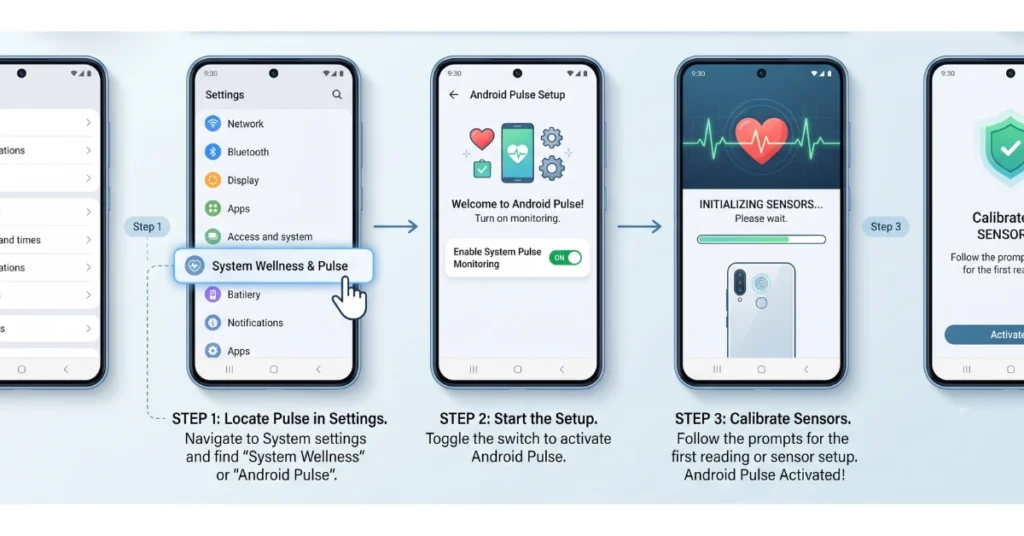
How to set up Android Pulse on my smartphone?
This is practically valuable: as this is a system stratum component, you do not want to configure impost scopes or create an account. The data strongly suggests that if you are wondering how to set up Android Pulse on my smartphone?, The reply is straightforward: make certain your phone can download it. The theoretical basis suggests that the aim is to make things easier. To put it simply, follow these steps to install it and keep it up to date:
- Open the Google Play Store app on your Android smartphone.
- Tap your profile picture in the top right corner of the screen.
- Select “Manage apps & device” from the menu that appears.
- Tap on “Updates available” to view your list of pending downloads.
- Scroll through the list to find the Android Pulse app. If you see it, tap the “Update” button next to it.
- Restart your phone to ensure the new system rules take effect immediately.
Because this is a background service, you will not find an app icon on your home screen or in your app drawer after the update finishes.
Where can I download the official Android Pulse app?
If your phone is up-to-date, you likely already have it. The app is distributed automatically via background updates through the Google Play Store.
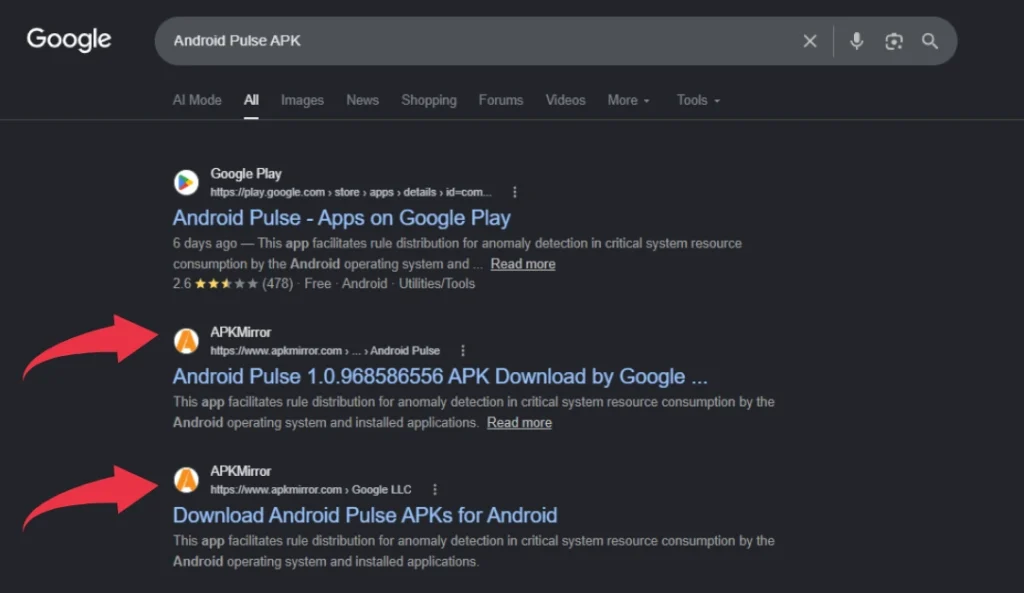
If you want to manually verify your version or force an update without waiting for the Play Store rollout, you can find the Android Pulse APK on reputable mirroring sites like APKMirror. However, for most users, it is best to let your phone handle the installation automatically.
Does Android Pulse support heart rate monitoring?
Because of its name, many users naturally assume it is a health and fitness tool. The short answer is no: Google’s official system app does not measure your heart rate.
The confusion stems from the existence of third-party health apps on the Google Play Store. If you are looking to measure your blood oxygen levels, you will need to download a specific Android Pulse Oximeter App (like the OxyKnight app or similar health trackers). These use your phone’s camera or pair with external medical devices to track your vitals.
Since the official Google system app is not designed for health metrics, you might be looking for actual fitness software. Here are the best alternatives to Android Pulse for fitness tracking:
- Google Fit: The official Google solution for tracking health metrics, heart rate (using your camera), and daily activity.
- Samsung Health: A comprehensive fitness tracker built for Galaxy devices but available on most Android devices.
- Strava: The go-to choice for running and cycling enthusiasts.
What about “Android Pulse Animation”?
If you are a developer, you might have stumbled upon the term Android Pulse Animation while researching this topic. This has nothing to do with the system app or fitness tracking. Instead, it refers to a user interface (UI) design technique in Android Studio where a glowing, pulsating circle is coded to appear on the screen. Developers often use this on maps to highlight a user’s location or to indicate that a file is downloading.
Troubleshooting Common Issues
If you run into problems or have concerns about this new system addition, keep these points in mind:
- Cannot find the app icon: This is normal. System apps do not have standard icons. You can only view it by going to Settings > Apps > See all apps, and choosing “Show system apps” from the menu.
- High battery usage reports: If your phone says Android Pulse is using your battery, it is likely actively monitoring a rogue application. Give it a day or two to settle and apply its rules.
- Uninstalling the app: You cannot easily uninstall this app directly from the Play Store. You can only uninstall its recent updates or force stop it, which we do not recommend.
Ultimately, learning how to set up Android Pulse on my smartphone? is less about manual configuration and more about letting Google’s automated systems do their job. Keep your device updated, and this silent tool will keep your phone running efficiently.